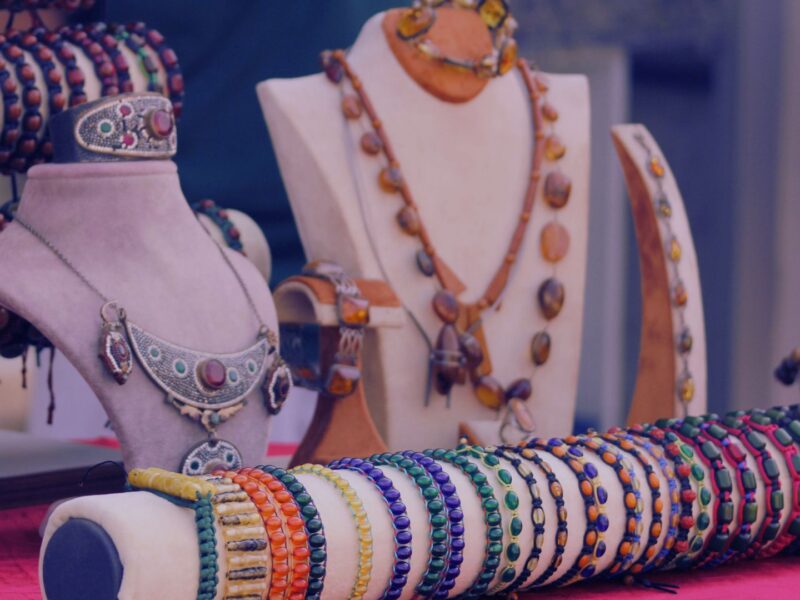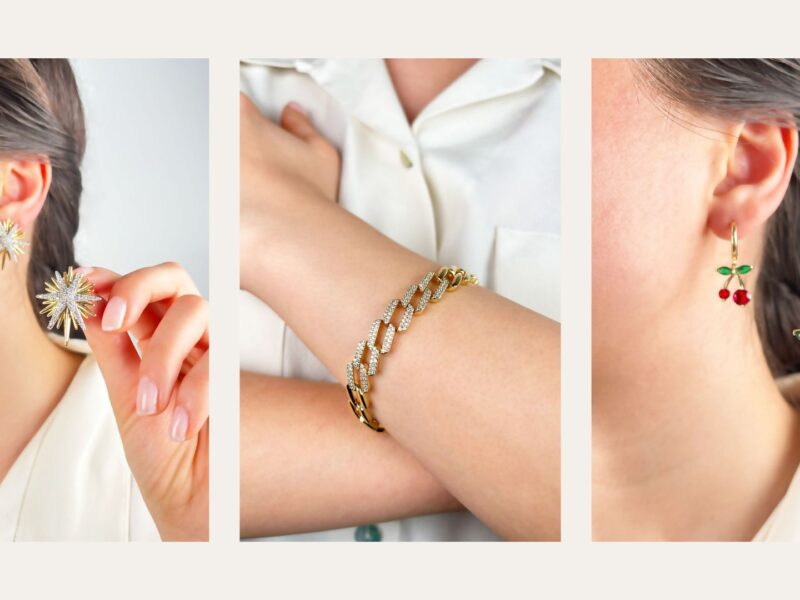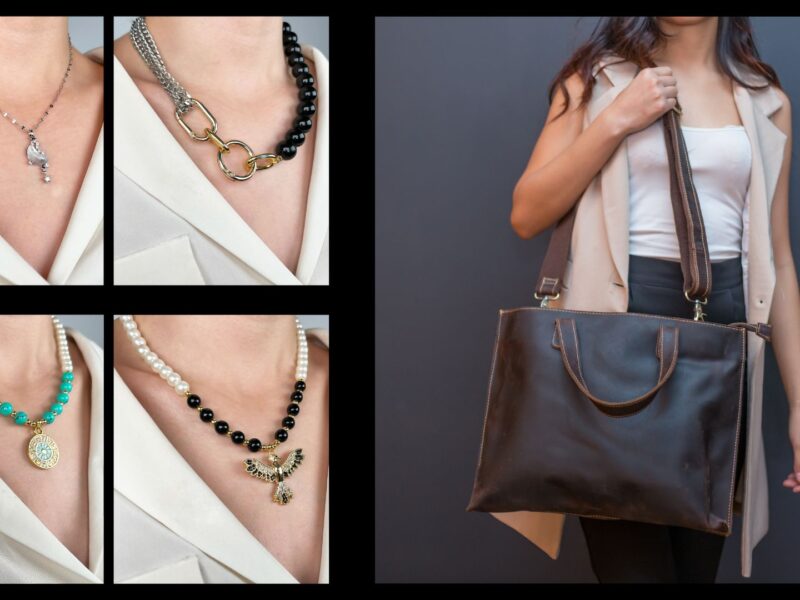
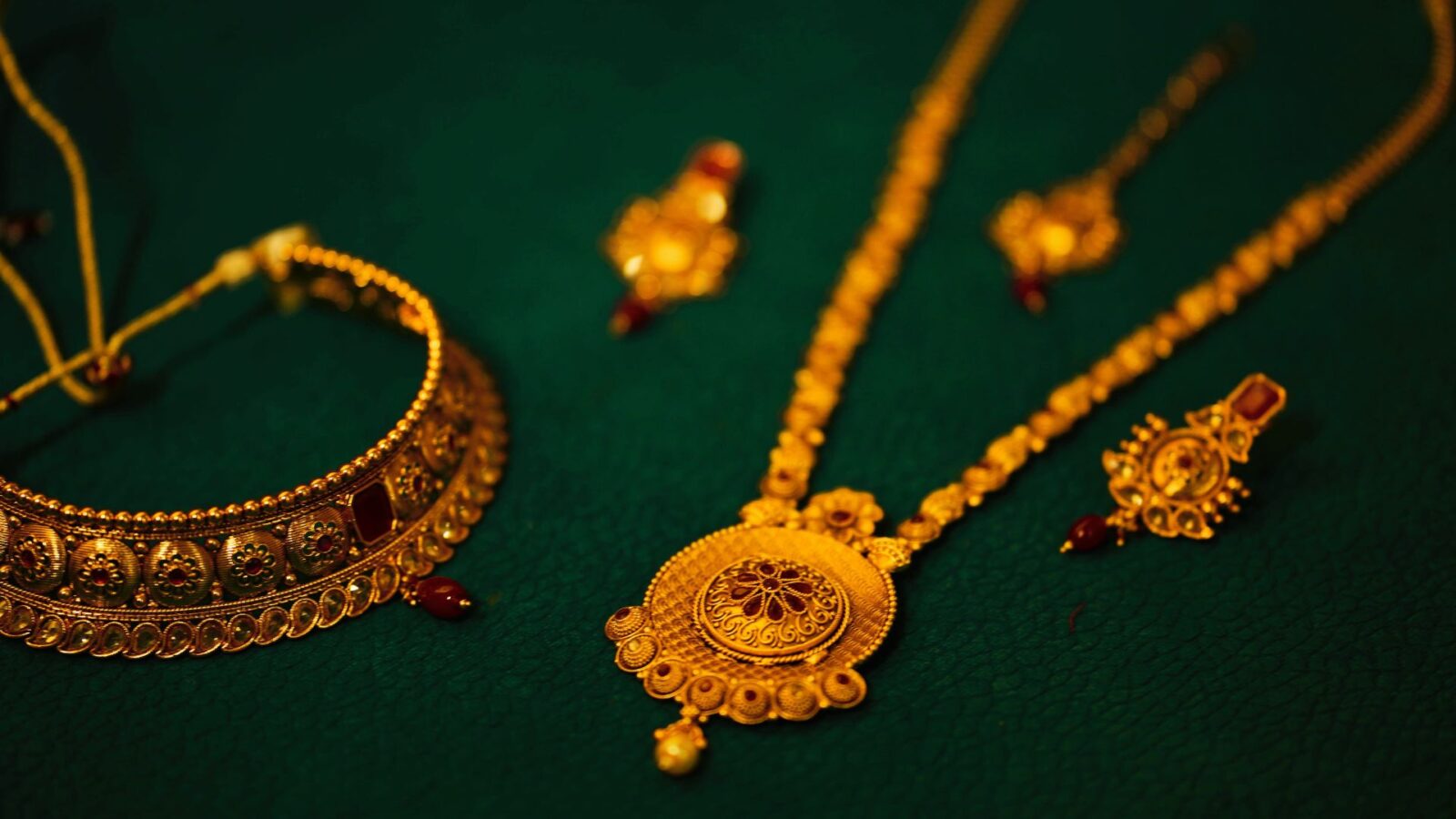
Layered jewelry is one of the most versatile ways to personalize an outfit. From delicate chains and natural stones to pearls, mixed metals, bracelets, rings, and earrings, layering allows you to create combinations that reflect your personal style.
The key to successful jewelry layering is not simply wearing more pieces. It is about creating intentional relationships between different lengths, proportions, textures, colors, and materials. A layered combination can be minimal and refined or bold and expressive depending on how the pieces are arranged.
So how do you layer jewelry? How many necklaces should you wear together? Can gold- and silver-tone jewelry be mixed? How do you stack bracelets without making the look feel too busy? And how can layered jewelry be adapted for casual outfits, office styling, and special occasions? This guide explores practical ways to create balanced layered jewelry looks for different styles and occasions.
1. What Is Layered Jewelry?
Layered jewelry is the styling technique of wearing multiple jewelry pieces together to create depth, contrast, and visual interest.
Although necklace layering is perhaps the best-known example, the same approach can be applied to bracelets, rings, and earrings.
Layering can include:
- Necklaces at different lengths
- Bracelets with different widths and textures
- Multiple rings across different fingers
- Earrings across multiple piercings
- Gold- and silver-tone jewelry in the same look
- Pearls, natural stones, and metal chains combined together
The goal is not necessarily to make every piece match. Instead, the pieces should create an intentional overall composition.
“Jewelry layering is not about wearing the most pieces; it is about giving each piece enough space to become part of the complete look.”
— SOSE Style Notes
2. Why Is Layered Jewelry So Popular?
One of the most appealing aspects of layered jewelry is its flexibility. The same jewelry collection can create very different looks depending on how the pieces are combined.
A delicate necklace can be worn alone for a minimal outfit, layered with another chain for everyday styling, or combined with pearls, natural stones, and a pendant for a more expressive look.
This flexibility makes layering particularly useful for creating a personal jewelry style rather than relying on one fixed combination.
3. How to Layer Necklaces
Layered necklaces work particularly well when the individual pieces remain visible rather than sitting directly on top of one another.
A simple starting point is to choose necklaces at different lengths. You might begin with a shorter chain, add a medium-length necklace, and finish with a longer pendant or medallion.
You can explore different Necklaces and build combinations according to length, texture, color, and design.
4. How to Layer Two Necklaces
If you are new to necklace layering, two necklaces are an easy place to start.
Try combining a short, simple chain with a longer pendant necklace. The difference in length allows both designs to remain visible.
Another option is to combine contrasting textures, such as a pearl necklace with a metal chain or a natural stone necklace with a simpler design.
5. How to Layer Three Necklaces
With three necklaces, creating distinct levels becomes more important.
A simple formula is:
- Short: Choker or short chain
- Medium: Delicate chain or decorative necklace
- Long: Pendant or medallion necklace
The three pieces do not have to use the same texture, design, or metal tone. Variation can make the layered effect more interesting.
6. How Much Space Should Be Between Layered Necklaces?
There is no universal measurement that works for every person or necklace combination.
The ideal spacing depends on your neck circumference, necklace lengths, pendant sizes, neckline, and the overall effect you want to create.
Instead of focusing on one fixed distance, check whether each necklace remains visually distinct when worn.
7. Layered Necklaces for Casual Daytime Looks
For casual outfits, necklace layering can add detail without making the look feel overly formal.
Try combining a delicate chain with a natural stone necklace and wearing them with a white T-shirt, linen shirt, denim, or a flowing blouse.
A Crossbody Bag can complement the relaxed styling while keeping the overall look practical.
8. Natural Stone Necklaces in Layered Looks
Natural stones can introduce color, texture, and distinctive visual details into necklace layering.
A Natural Stone Necklace can become the colorful focal point while simpler metal chains create the surrounding layers.
You can also combine different stone colors. The stones do not need to match the outfit exactly; a contrasting color can make the jewelry more noticeable.
9. Layering Pearls and Chains
Pearls and metal chains can create an interesting contrast between classic and contemporary jewelry styles.
A pearl necklace can be combined with a finer chain or a more substantial metal design depending on the look you want to create.
This combination can work with shirts, knitwear, dresses, blazers, and basic T-shirts.
10. How to Layer Choker Necklaces
A choker can provide the shortest level in a layered necklace combination.
Pair a Choker Necklace with a medium-length chain and a longer pendant to create three visually separate levels.
Open necklines can make the spacing between these necklaces more visible, although chokers can also be styled with different clothing silhouettes.
11. How to Prevent Layered Necklaces from Looking Too Busy
If you prefer a more balanced appearance, choose one necklace as the visual focal point and let the other pieces support it.
For example, a distinctive pendant can be surrounded by two simpler chains. Alternatively, a colorful natural stone necklace can be paired with minimal metal pieces.
Not every necklace needs to compete for attention.
12. How to Layer Bracelets
Bracelet stacking uses the same basic principles as necklace layering: variation in scale, texture, and detail can create visual depth.
You can combine a delicate Bracelet with a wider design or introduce natural stone beads alongside metal pieces.
The number of bracelets you wear should depend on your comfort and the look you want to achieve rather than a fixed styling rule.
13. How Many Bracelets Should You Stack?
There is no correct number of bracelets for a layered look.
Two pieces can create a subtle stack, while three or more can produce a stronger visual effect.
For a more refined combination, vary the widths slightly while keeping one connecting detail, such as metal tone, color, texture, or overall style.
14. Layered Bracelets for Professional Style
For office styling, layered bracelets can add detail while remaining compatible with a polished outfit.
Two or three streamlined designs can work with tailored trousers, a shirt, blazer, or structured dress.
A Shoulder Bag can complete the outfit without requiring the jewelry and bag to match exactly.
15. Natural Stone and Metal Bracelets Together
Natural stone and metal bracelets can be combined to introduce both texture and contrast.
A neutral-toned stone bracelet may create a quieter effect, while colorful stones can become the focal point of the stack.
There is no need for every bracelet to use the same material.
16. How to Layer Earrings
Layered earrings can be created when you have multiple ear piercings, allowing different shapes and scales to be arranged across the ear.
A larger hoop or drop earring can serve as the main piece, with smaller hoops or studs added around it.
The result can range from minimal to highly expressive depending on the number and scale of the earrings.
17. How to Create an Earring Stack
One simple approach is to place the largest earring in the main piercing and gradually use smaller pieces in additional piercings.
For example:
- Main piercing: Hoop or drop earring
- Second piercing: Small hoop
- Additional piercing: Minimal stud
This creates a gradual visual transition across the ear.
18. Layered Earrings for Evening Looks
For evening styling, earrings can become the main focus of the jewelry combination.
Try combining a drop earring with smaller studs or hoops. If the ear styling is already highly detailed, a delicate necklace can provide balance.
A compact Handbag can complete a dinner or event outfit.
19. Can You Wear Different Earrings on Each Ear?
Yes. Asymmetrical earring styling can create a more individual look.
The earrings can share a metal tone, shape, stone color, or another small design element, but they do not have to be identical.
The contrast itself can become part of the styling.
20. How to Layer Rings
Ring layering can involve wearing multiple rings on one finger, distributing them across several fingers, or combining both approaches.
A larger statement ring can act as the focal point while thinner rings provide supporting details.
You can also leave some fingers without rings to create visual space.
21. How Many Rings Should You Wear?
There is no fixed number of rings required for a layered look.
Minimal styling may use two or three pieces, while a more maximalist combination can include several rings across both hands.
Comfort, ring size, hand movement, and personal preference should guide the final arrangement.
22. Mixed Metal Jewelry Layering
Mixed metal jewelry allows gold- and silver-tone pieces to appear in the same combination instead of treating them as separate jewelry wardrobes.
A gold-tone chain can be layered with a silver-tone necklace, or bracelets and rings in different metal colors can be combined across the same outfit.
The result can feel particularly intentional when both tones appear more than once.
23. Can You Mix Gold and Silver Jewelry?
Yes. Gold- and silver-tone jewelry can be worn together.
One approach is to choose one tone as the dominant color and introduce the second through smaller accents. Another is to give both tones equal presence.
There is no requirement for all jewelry to use the same metal color.
“Mixed metals work best when they look intentional rather than accidental. Repeating each tone somewhere in the look can help create that connection.”
— SOSE Style Notes
24. How to Mix Gold and Silver Necklaces
When layering gold- and silver-tone necklaces, use different lengths to prevent the pieces from visually merging into one another.
You might use a short gold-tone chain with a longer silver-tone pendant or reverse the arrangement.
A design that combines multiple metal tones can also act as a visual bridge between the different colors.
25. Can You Mix Different Jewelry Textures?
Yes. Texture is one of the easiest ways to make layered jewelry more interesting.
Smooth chains can be combined with pearls, beads, natural stones, twisted chains, or more sculptural surfaces.
Variation in texture can create depth even when all the pieces share a similar color palette.
26. Themed Jewelry Layering for Special Occasions
Themed layering means connecting different jewelry pieces through one shared visual idea.
The theme could be pearls, natural stones, geometric forms, a particular color family, or a repeated design detail.
The pieces do not need to come from a matching set to create a cohesive result.
27. Pearl Layering for Weddings and Events
Pearls can create a classic foundation for special-occasion jewelry, but they can also be styled in a more contemporary way.
Combine a pearl necklace with pearl earrings while introducing a metal bracelet or ring to break up the traditional matching-set effect.
Alternatively, layer a pearl necklace with a metal chain for a more modern interpretation.
28. Natural Stone Layering for Special Occasions
Natural stone jewelry can bring color and texture into occasion styling.
A natural stone necklace can be combined with smaller metal pieces, or a stone color can be repeated in earrings or bracelets.
Any symbolic meanings traditionally associated with particular stones should be understood as cultural or personal associations rather than scientifically established effects.
29. Layered Jewelry for a Wedding Guest Outfit
When styling jewelry for a wedding guest outfit, consider the neckline, fabric, pattern, and level of detail in the clothing.
A simple dress can provide space for layered necklaces or more elaborate earrings. A highly embellished dress may work better with a more controlled jewelry arrangement.
There is no need for the necklace, earrings, bracelet, and bag to form an identical matching set.
30. Layered Jewelry for Casual Outfits
Casual outfits provide an easy foundation for experimenting with layering.
A white T-shirt and jeans can be transformed with two necklaces, a bracelet stack, or several rings.
Because the clothing itself is relatively simple, the jewelry can introduce more texture and personality.
31. Layered Jewelry for Office Outfits
Office layering depends on the dress culture of your workplace.
For a more traditional environment, try two delicate necklaces, a small earring stack, or a few streamlined bracelets.
In more creative workplaces, stronger mixed-metal combinations, natural stones, or statement pieces may also fit naturally into professional styling.
32. Layered Jewelry for Evening Outfits
Evening looks can support more visible layering, particularly when the clothing provides a relatively simple backdrop.
You might use multiple necklaces with an open neckline, layered earrings with your hair pulled back, or a stronger ring combination with a sleeveless dress.
Choose the area you want to emphasize rather than assuming every jewelry category needs to be heavily layered at once.
33. Layered Jewelry for Summer
Summer clothing often leaves the neck, wrists, and ankles more visible, creating additional opportunities for jewelry layering.
Lightweight necklaces, bracelets, earrings, and an Anklet can be incorporated into dresses, shorts, skirts, and linen outfits.
When wearing jewelry in warm weather, remember that sweat, sunscreen, swimming, and other environmental factors may affect different materials differently. Follow the care instructions for each piece.
34. Layered Jewelry for Winter
Layering can also work with winter clothing.
Longer necklaces can be worn over knitwear, while earrings and rings remain visible even with heavier layers.
When wearing jewelry with scarves, coats, and textured fabrics, consider the possibility of chains or earrings catching on clothing.
35. How to Layer Jewelry with a V-Neck
V-neck clothing provides a natural area for necklace layering.
A pendant or longer necklace can follow the direction of the neckline, while shorter chains add additional levels above it.
Experiment with the necklace lengths to see how they interact with the actual depth of the neckline.
36. How to Layer Jewelry with a High Neckline
A high neckline does not mean necklaces have to be avoided.
Longer necklaces can be worn over the fabric, while shorter jewelry can shift toward earrings, bracelets, and rings.
This can create a different balance than an open-neck outfit.
37. How to Layer Jewelry with a Blazer
A blazer can provide a structured background for layered jewelry.
With an open blazer and simple top, two or three necklaces can fill the neckline. You can also keep the necklaces minimal and introduce layering through bracelets or rings instead.
A structured Shoulder Bag can reinforce the polished character of the outfit.
38. How to Layer Jewelry Without Tangling Necklaces
Necklace tangling can happen when several chains move against each other during wear.
Using noticeably different lengths can help reduce overlap. Choosing chains with different weights or structures may also help them occupy separate positions.
Movement, pendant weight, clothing, and chain design all affect how necklaces behave, so no layering method can guarantee that tangling will never occur.
39. Should Layered Jewelry All Be the Same Color?
No. Layered jewelry can combine different metal tones, stone colors, pearls, and other materials.
A monochromatic approach can create a cleaner appearance, while mixed colors can produce a more expressive look.
The right approach depends on the style you want to create.
40. Should Layered Jewelry Match Your Bag?
Your jewelry and bag do not have to match exactly.
You can connect them through metal hardware, color, texture, or overall style, but contrast can be equally effective.
A minimal bag can balance more elaborate jewelry, while a statement bag can be paired with simpler accessories.
41. Common Jewelry Layering Mistakes
Jewelry layering is flexible, but a few common choices can make a combination harder to style:
- Using necklaces at almost identical lengths: They may visually overlap instead of creating distinct layers.
- Making every piece the focal point: Choosing one or two stronger pieces can create clearer hierarchy.
- Assuming metals cannot be mixed: Gold- and silver-tone jewelry can work together.
- Ignoring scale: Different sizes can help create depth.
- Forgetting comfort: More jewelry is not always more practical.
- Matching everything exactly: Cohesion does not require identical pieces.
- Following trends without considering your outfit: Layering should work with your neckline, clothing, and personal style.
42. Five Steps to Create a Layered Jewelry Look
If you want a simple method for building a layered jewelry combination, use these five steps:
- 1. Choose a focal piece: Start with the necklace, earring, bracelet, or ring you most want to feature.
- 2. Add different scales: Combine smaller and larger pieces rather than repeating the same proportions.
- 3. Create separation: Use different necklace lengths or distribute bracelets and rings visually.
- 4. Mix textures or metals: Introduce pearls, natural stones, or different metal tones when they suit the look.
- 5. Review the complete outfit: Consider the clothing, neckline, bag, and other accessories before adding another layer.
This approach allows you to experiment with jewelry layering while keeping the final combination connected to your personal style.
“The most successful layered jewelry looks feel collected rather than crowded.”
— SOSE Style Notes
Explore Layered Jewelry Style with SOSE
Layered jewelry is about creating combinations that feel personal rather than following a single formula. Delicate chains can sit alongside statement pieces, pearls can be mixed with modern metals, natural stones can introduce color, and gold- and silver-tone jewelry can share the same look.
For casual styling, start with two necklaces or a small bracelet stack. For workwear, use more controlled proportions. For evening outfits and special occasions, you can introduce stronger earrings, additional necklace layers, or more expressive combinations.
Explore SOSE Necklaces, Bracelets, Earrings, Rings, and Anklets to create layered combinations that reflect your personal style.