
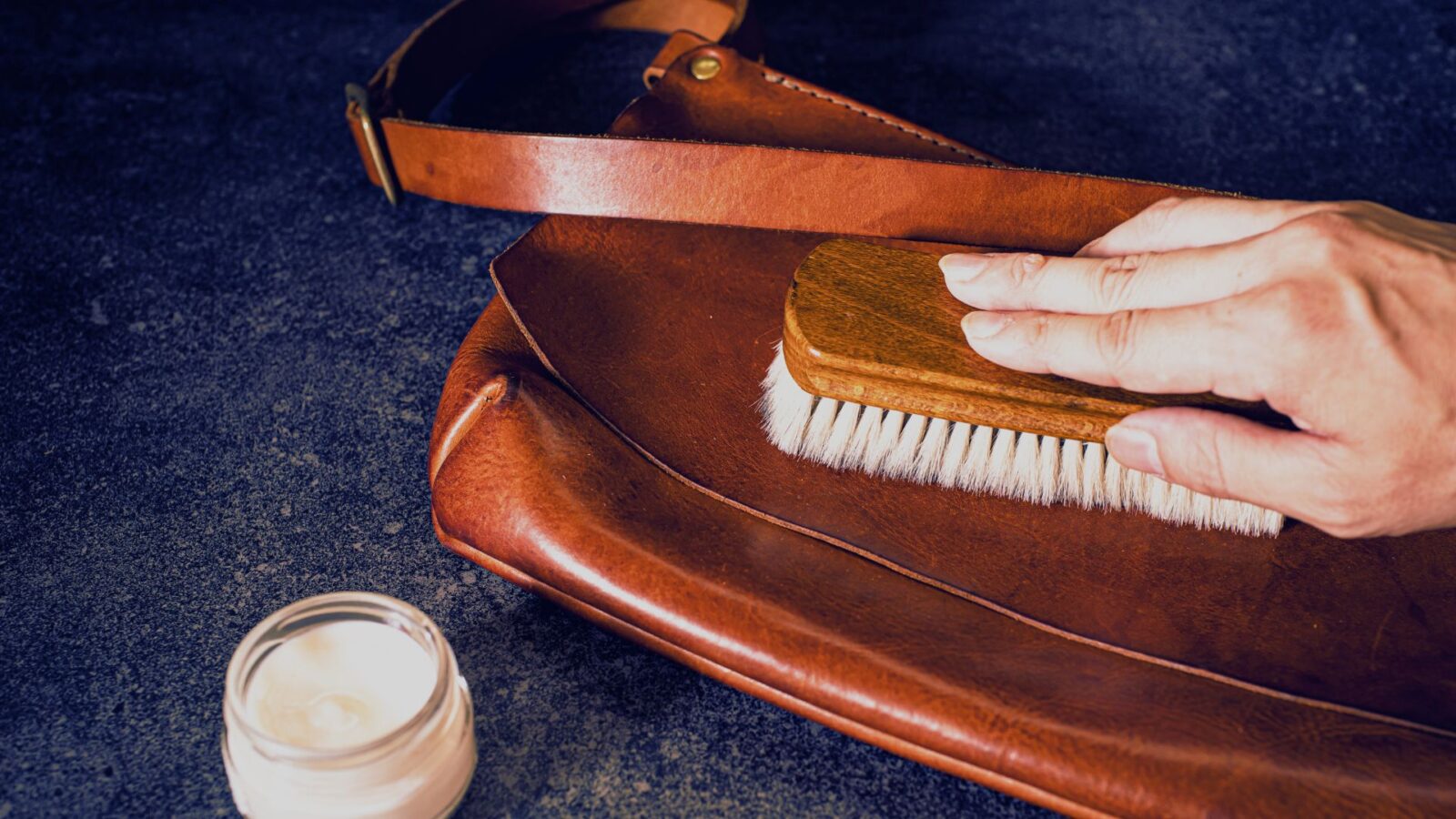
Leather bags can be timeless, elegant, and versatile, but warm weather can introduce additional care challenges. Direct sunlight, heat, humidity, sweat, sunscreen, cosmetics, and unexpected summer rain can all affect a bag depending on the type of leather, its finish, color, construction, and hardware.
So how should you care for a leather bag in summer? Should leather bags be conditioned regularly? What should you do if your bag gets wet? Can sunlight fade leather? And how should a leather bag be stored when it is not being used?
This guide covers practical summer leather bag care, including cleaning, storage, moisture protection, shape preservation, and everyday habits that can help reduce unnecessary wear during warmer months.
1. Why Does Summer Require Extra Care for Leather Bags?
Summer can expose a bag to a combination of heat, sunlight, humidity, perspiration, sunscreen, and frequent outdoor use.
Depending on the material and finish, prolonged exposure may contribute to changes in color, texture, flexibility, or shape. Residues from skincare products and perspiration can also transfer to areas that frequently touch the hands, arms, shoulders, or clothing.
This does not mean every leather bag will react in exactly the same way. Different leather types and finishes can require different care methods.
“Good bag care begins with understanding the material. The safest routine is the one designed for the specific bag you own.”
— SOSE Style Notes
2. Does Heat Damage Leather Bags?
Excessive heat can be problematic for some leather goods, particularly when exposure is prolonged.
Very hot environments may affect the material, finish, adhesives, structure, or other components of a bag. Heat combined with direct sunlight can create additional stress on certain materials and colors.
For this reason, avoid unnecessarily leaving a leather bag in extremely hot locations for extended periods.
3. Can Direct Sunlight Fade a Leather Bag?
Prolonged exposure to strong sunlight can contribute to color changes in some leather and finished materials.
The degree of sensitivity depends on the type of leather, dye, finish, color, and duration of exposure.
Normal outdoor use is different from leaving a bag in strong direct sunlight for hours at a time. When storing the bag, choose a location away from prolonged direct sunlight.
4. Never Leave a Leather Bag in a Hot Car
A closed vehicle can become extremely hot, particularly during summer.
Leaving a bag inside for extended periods can expose leather, linings, adhesives, hardware, and other components to unnecessary heat.
Whenever practical, take the bag with you rather than using a hot vehicle as a storage location.
5. How to Store a Leather Bag in Summer
When the bag is not being used, store it in a clean, dry environment away from prolonged direct sunlight and excessive heat.
Allow enough space around the bag so that it is not compressed by heavier items.
Proper storage helps protect not only the surface but also the bag’s overall silhouette.
6. Should You Store a Leather Bag in a Dust Bag?
A breathable dust bag can help protect a handbag from dust and unnecessary surface contact while it is being stored.
If you no longer have the original dust bag, a clean, breathable fabric cover may be an alternative depending on the material.
Avoid assuming that airtight plastic storage is ideal for every leather bag, particularly when moisture may become trapped inside.
7. How to Keep a Leather Bag from Losing Its Shape
Shape preservation is an important part of bag care.
When storing a structured bag, you can support the interior with clean, soft, suitable material so the bag does not collapse under its own weight.
Avoid overstuffing it, as excessive pressure can distort the silhouette just as much as leaving it unsupported.
8. Should You Hang Leather Bags for Storage?
Long-term hanging is not necessarily appropriate for every bag.
A heavy bag hanging from its straps can place continuous stress on the handles, strap attachments, or structure.
When possible, store bags upright or in the position recommended for their particular construction, with enough space to maintain their natural shape.
9. How to Clean a Leather Bag in Summer
The correct cleaning method depends on the material.
For light surface dust, a clean, soft cloth may be sufficient for many finished surfaces. However, deeper cleaning should follow the care instructions for the specific bag.
Do not automatically apply a generic leather cleaner simply because a product is described as a leather bag.
10. Why Material Identification Matters Before Cleaning
“Leather bag” can refer to products with very different surfaces and constructions.
Smooth finished leather, suede, nubuck, patent leather, coated materials, and synthetic leather alternatives may require different cleaning techniques.
Before using water, cleaner, conditioner, or protective products, identify the material as accurately as possible and follow its care guidance.
11. Should You Wipe Your Bag After Every Use?
You do not necessarily need to perform a full cleaning after every use.
However, if you notice dust or surface residue, gently removing it before storing the bag can help prevent buildup.
Pay particular attention to handles, straps, and other areas that frequently come into contact with the hands or body.
12. Can You Use Household Cleaners on Leather Bags?
Household cleaners should generally not be applied to a leather bag unless the manufacturer specifically recommends them.
Strong cleaning agents, alcohol-based products, disinfectant wipes, abrasive cleaners, and other household chemicals may interact unpredictably with dyes, coatings, finishes, or hardware.
When in doubt, use a product intended for the specific material or seek professional advice.
13. Can You Use Wet Wipes on a Leather Bag?
Wet wipes may contain alcohol, fragrance, moisturizers, disinfectants, or other ingredients that are not intended for leather surfaces.
For that reason, they should not automatically be used as a universal leather-cleaning solution.
If a spill occurs, follow the care recommendations for the specific material rather than reaching for the nearest household wipe.
14. Should You Condition a Leather Bag?
Conditioning can be appropriate for some types of genuine leather, but it should not be treated as a universal requirement for every bag.
Some materials, coatings, finishes, suede surfaces, synthetic materials, or specially treated leathers may require different products or no conditioner at all.
Always check the bag’s care instructions before applying a conditioning product.
15. How Often Should You Condition a Leather Bag?
There is no universal schedule such as “every few weeks” that is suitable for every leather bag.
The appropriate frequency depends on the leather type, finish, climate, usage, storage conditions, and product being used.
Over-applying a product can be just as undesirable as neglecting appropriate care, so follow material-specific guidance rather than conditioning on a fixed calendar.
16. Always Patch-Test Leather Care Products
If a cleaner, conditioner, or protector is appropriate for your bag, test it first on a small, inconspicuous area.
Allow enough time to observe whether it changes the color, texture, sheen, or finish before applying it more broadly.
Even products marketed for leather can produce different results on different types and colors of leather.
17. What Should You Do If a Leather Bag Gets Wet?
If your bag gets caught in summer rain or comes into contact with water, avoid aggressive rubbing.
Depending on the material, gently blotting excess surface moisture with a clean, absorbent cloth may be appropriate.
Then allow the bag to dry naturally according to its care instructions.
18. Why You Should Avoid a Hairdryer
Using a hairdryer, radiator, heater, or another strong direct heat source can expose the material to rapid and uneven drying.
This may affect some leathers and finishes.
Natural drying away from excessive direct heat is generally a more cautious approach when the material allows it.
19. Can You Carry a Leather Bag in the Rain?
The answer depends on the bag.
Some finished materials may tolerate brief moisture exposure better than others, while more absorbent or delicate surfaces can require greater caution.
Do not assume that every leather bag is waterproof or water-resistant unless the product information specifically indicates this.
20. How Does Humidity Affect Leather Bags?
High humidity can create different storage challenges from dry heat.
In poorly ventilated environments, excess moisture can contribute to unwanted odors or other material problems.
Store bags in an appropriately dry and ventilated environment and avoid putting a damp bag directly into enclosed storage.
21. What Should You Do If Your Bag Feels Damp?
If a bag has been exposed to moisture or high humidity, allow it to dry appropriately before storing it.
Do not immediately seal a damp bag inside an airtight container.
If the material has become significantly wet or shows unusual changes, follow the manufacturer’s instructions or consult a professional bag or leather-care specialist.
22. Sweat and Leather Bags
During hot weather, bag straps and surfaces can come into repeated contact with perspiration.
This is especially common with shoulder and crossbody bags worn directly against the body.
Because sweat contains moisture and salts, reducing prolonged residue on the surface can be a useful part of summer bag care.
23. How to Protect Bag Handles in Summer
Handles are among the areas most frequently touched, making them more exposed to perspiration, skincare products, hand creams, and natural skin oils.
Keep hands reasonably clean when handling lighter-colored or delicate bags and avoid applying creams immediately before carrying the bag when possible.
If residue becomes visible, follow the cleaning instructions for the material rather than scrubbing aggressively.
24. Can Sunscreen Damage a Leather Bag?
Sunscreen can transfer from the skin onto bags, particularly shoulder straps, crossbody straps, handles, and surfaces worn close to the body.
Different sunscreen formulations and bag finishes can interact differently, so it is sensible to reduce direct transfer where possible.
Allow sunscreen to absorb before putting on your bag and avoid applying it directly beside the bag.
25. Perfume and Leather Bags
Perfume and other cosmetic sprays should not be sprayed directly onto a bag.
Fragrance products can contain alcohol, oils, dyes, and other ingredients that may interact with certain surfaces.
Apply perfume before putting on your accessories and allow it to dry first.
26. Makeup and Leather Bags
Makeup can create difficult stains, particularly on lighter bag interiors and surfaces.
Keeping cosmetics securely closed and, where practical, inside a separate cosmetic pouch can help reduce accidental transfer.
If makeup reaches the bag, avoid experimenting with aggressive stain-removal methods before checking the material-specific care instructions.
27. Can Hand Sanitizer Affect a Bag?
Hand sanitizers often contain alcohol and other ingredients that may interact with some bag finishes.
After applying sanitizer, allow your hands to dry fully before immediately handling the bag.
This simple habit can reduce unnecessary direct exposure on handles and straps.
28. Be Careful with Color Transfer
Summer often means lighter-colored bags and clothing, which can make color transfer more noticeable.
Dark denim or strongly dyed clothing may transfer color onto some lighter bag surfaces through repeated friction.
The reverse can also occur depending on the materials involved.
Pay attention when combining very light bags with new or heavily dyed clothing.
29. How to Care for a Leather Shoulder Bag in Summer
A Shoulder Bag often has repeated contact with the arm, shoulder, and clothing.
During warm weather, pay particular attention to the strap and areas closest to the body.
When storing the bag, arrange the strap so that it does not place unnecessary pressure on the bag or become sharply folded.
30. How to Care for a Leather Crossbody Bag
A Crossbody Bag can have extended contact with clothing and the body because of the way it is worn.
In summer, this can increase exposure to perspiration and sunscreen.
Inspect both the bag and strap after prolonged use, particularly when wearing light-colored or delicate materials.
31. How to Care for a Leather Handbag
A Handbag may experience more frequent contact with hands, tables, chairs, and other surfaces.
Avoid placing it on wet, dirty, or rough surfaces whenever possible.
Before storing it, remove unnecessary weight from the interior and support its shape appropriately.
32. How to Care for a Backpack in Hot Weather
A Backpack can experience prolonged contact with the back and shoulders, making perspiration particularly relevant during hot weather.
After extended use, allow the bag to air appropriately before storing it, especially if the back panel or straps feel damp.
Do not place a damp bag directly into enclosed storage.
33. Should You Use the Same Bag Every Day?
You can use the same bag frequently, but repeated daily use naturally creates more exposure to friction, handling, weather, and environmental residue.
If you own several bags, rotating them can reduce continuous wear on one piece and gives you an opportunity to inspect and store each bag properly between uses.
Rotation is useful, but it is not a substitute for correct care.
34. Why You Should Avoid Overloading Your Bag
Carrying more weight than the bag is designed to hold can place stress on handles, straps, seams, closures, and the overall structure.
Heat itself is not the only summer concern; day trips and travel can also tempt us to carry more than usual.
Choose a bag size that suits what you actually need to carry.
35. How to Protect Bag Hardware
Zippers, clasps, chains, buckles, and other hardware are also part of bag care.
They can come into contact with perspiration, cosmetics, moisture, and abrasive surfaces.
Keep hardware reasonably clean and dry according to the product’s care instructions, and avoid using abrasive polishing products unless they are specifically appropriate for the finish.
36. How to Store Bags While Traveling
When packing a bag inside luggage, avoid crushing it under heavy clothing, shoes, or other objects.
Support structured bags where practical and keep delicate surfaces separated from rough or sharp items.
If you are traveling somewhere hot or humid, avoid leaving the bag sealed away while it is still damp from use.
37. Are Leather Bags Suitable for the Beach?
A beach environment can expose bags to sand, sunscreen, salt water, moisture, and prolonged sunlight.
Whether a particular leather bag is appropriate depends on its material and construction.
If you want a bag specifically for carrying wet towels, swimwear, sunscreen, or other beach essentials, a material designed for those conditions may be more practical.
38. Can You Use Leather Protector Spray?
Protective sprays can be suitable for some materials but not others.
Do not apply a generic protector without checking whether it is compatible with the specific leather type, finish, color, and construction.
If a protector is appropriate, follow the manufacturer’s instructions and patch-test it in an inconspicuous area first.
39. Genuine Leather, Suede, Nubuck and Synthetic Materials Need Different Care
One of the most important bag-care principles is that different materials should not automatically receive the same treatment.
Smooth genuine leather, suede, nubuck, patent finishes, coated surfaces, and synthetic leather alternatives can respond differently to water, cleaners, conditioners, brushes, and protective products.
Always identify the material before beginning a deeper cleaning or conditioning routine.
40. Common Leather Bag Care Mistakes
Avoiding a few common mistakes can make summer bag care much easier:
- Leaving the bag in a hot car: Excessive heat can unnecessarily stress materials and construction.
- Storing it in direct sunlight: Prolonged exposure can affect some colors and finishes.
- Using household cleaners: Alcohol, disinfectants, and abrasive products may damage certain surfaces.
- Conditioning without identifying the material: Not every bag requires or tolerates leather conditioner.
- Using a hairdryer on a wet bag: Strong direct heat may affect the material.
- Storing the bag while damp: Allow it to dry appropriately first.
- Overstuffing the bag: Excess weight can strain its structure and hardware.
- Ignoring sunscreen and cosmetics: Residues can transfer from skin to the bag.
- Assuming every leather is the same: Care requirements vary considerably by material and finish.
41. Five Essential Summer Leather Bag Care Tips
If you want a simple routine, focus on these five principles:
- 1. Protect it from excessive heat and prolonged sunlight: Store your bag in an appropriate cool, dry location.
- 2. Keep the surface clean: Remove dust and visible residue using a method suitable for the material.
- 3. Limit contact with cosmetics: Be mindful of sunscreen, perfume, hand cream, makeup, and sanitizer.
- 4. Handle moisture carefully: Do not use strong direct heat to speed up drying.
- 5. Store it correctly: Protect the bag’s shape and avoid unnecessary compression, moisture, and friction.
These principles provide a safer starting point than applying one universal cleaning or conditioning routine to every leather bag.
“The best summer bag-care routine is simple: protect the material, reduce unnecessary exposure, and respond to stains or moisture according to the specific bag.”
— SOSE Style Notes
How to Style Your Summer Bag with Jewelry
Summer outfits often use fewer layers, which makes bags and jewelry more visible. Rather than matching every accessory exactly, think about creating balance between them.
A statement bag can be paired with simpler jewelry, while a minimal bag can provide space for a stronger necklace, earrings, bracelet, or ring.
Explore SOSE Necklaces, Bracelets, Earrings, and Rings for different accessory combinations.
Keep Your Leather Bag Looking Its Best
Caring for a leather bag in summer is primarily about limiting unnecessary exposure to excessive heat, prolonged sunlight, moisture, perspiration, sunscreen, cosmetics, and unsuitable cleaning products.
At the same time, there is no single maintenance routine that works for every bag. Genuine leather, suede, nubuck, coated materials, and synthetic alternatives can require very different approaches. Always check the material and product-specific care instructions before using cleaners, conditioners, waterproofing sprays, or other treatments.
With appropriate cleaning, careful storage, sensible handling, and regular inspection, you can help preserve the appearance and structure of your favorite bag throughout summer and beyond.
Explore SOSE Bags, Shoulder Bags, Crossbody Bags, Handbags, and Backpacks to discover styles for different occasions and everyday needs.