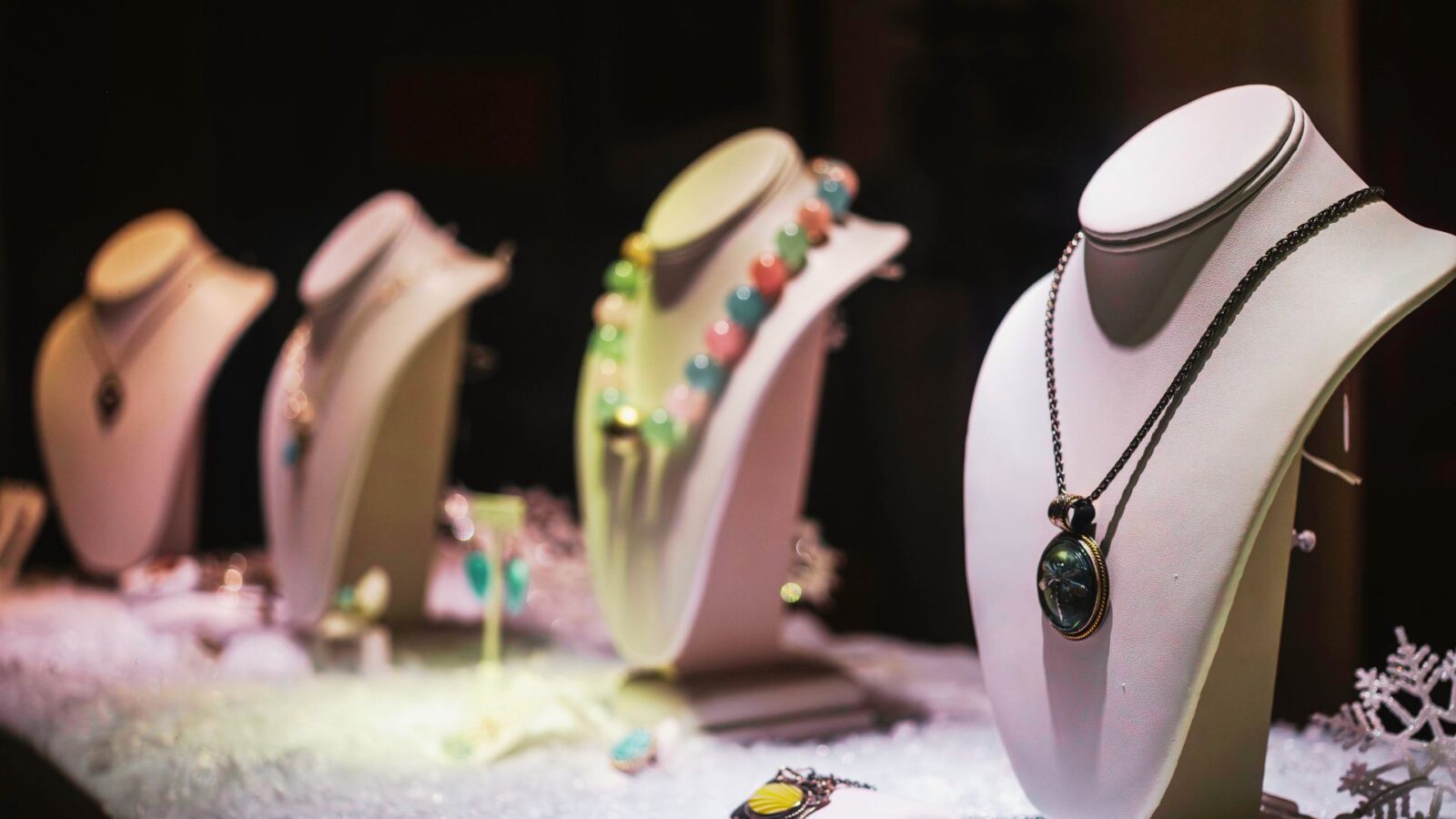
Jewelry trends are increasingly shaped by personal expression rather than a single dominant style. Bold statement pieces can sit alongside delicate jewelry, classic pearls can be styled with contemporary clothing, and gold- and silver-tone pieces can be mixed instead of kept separate.
For that reason, understanding jewelry trends is less about following temporary rules and more about discovering new ways to wear necklaces, earrings, bracelets, rings, and other accessories already within your personal style.
From maximalist necklaces and mixed metals to modern pearls, natural textures, and sculptural designs, this guide explores some of the most versatile jewelry styles and trends and explains how to incorporate them into everyday, office, and evening outfits.
1. What Defines Modern Jewelry Trends?
Contemporary jewelry styling is built around contrast and individuality.
Instead of requiring every accessory to match perfectly, modern combinations often mix:
- Different metal tones
- Fine and chunky pieces
- Classic and contemporary designs
- Pearls and chains
- Natural stones and polished metals
- Minimal and statement jewelry
The result is a more personal approach to accessorizing.
2. Are Jewelry Trends Worth Following?
Trends can provide inspiration, but they do not need to determine your entire jewelry collection.
A useful trend is one that gives you another way to style pieces you genuinely enjoy wearing.
Instead of replacing your jewelry whenever styles change, consider how new ideas can be incorporated into your existing wardrobe.
“The most interesting jewelry trends are not rules to follow — they are new possibilities for expressing personal style.”
— SOSE Style Notes
3. Statement Jewelry and Maximalist Styling
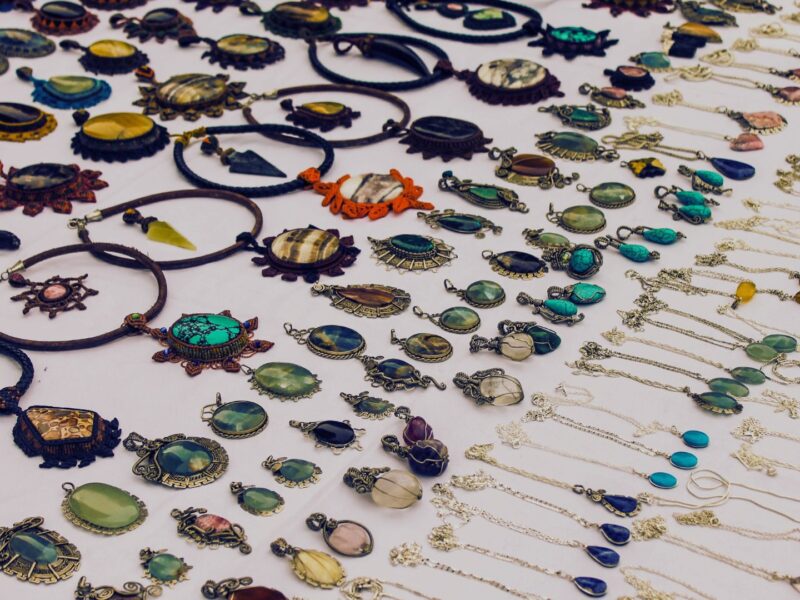
Statement jewelry uses scale, shape, color, texture, or detail to become a deliberate focal point.
This can include:
- Chunky necklaces
- Oversized earrings
- Large rings
- Wide bracelets
- Colorful natural stones
- Sculptural designs
The easiest way to style a statement piece is to give it enough visual space.
4. How to Wear a Statement Necklace
A statement necklace can transform even a very simple outfit.
Try one with a plain T-shirt, white shirt, monochromatic dress, or minimal blazer combination.
The simplicity of the clothing creates a visual background that allows the necklace to become the focus.
5. Statement Necklaces with Neutral Clothing
Neutral colors such as black, white, beige, cream, grey, and navy provide particularly useful backgrounds for statement necklaces.
A bold Necklace can introduce metal, texture, color, or movement without competing with a complicated clothing palette.
This approach can work for both casual and evening outfits.
6. Statement Jewelry with Colorful Clothing
Statement jewelry can also work with colorful clothing, but consider visual hierarchy.
If the outfit already contains a strong color or print, choose jewelry that connects through one element rather than introducing several additional competing details.
A repeated metal tone or accent color can be enough to create cohesion.
7. How to Balance Statement Jewelry
You do not necessarily need to wear only one noticeable piece, but giving every accessory equal visual weight can make an outfit difficult to read.
If the necklace is the focal point, earrings and bracelets can remain simpler.
If you prefer maximalist styling, connect several bold pieces through color, shape, or metal tone.
8. Chunky Chain Jewelry
Chunky chains combine structural shapes with strong visual presence.
A Chain Necklace can add definition to a simple shirt, T-shirt, dress, or blazer.
Chain designs can also be combined with more delicate pieces to create contrast between different scales.
9. How to Style Chunky Chains
For a simple formula, pair a stronger chain with relatively clean clothing.
Try:
- White shirt + chunky chain
- Black dress + statement chain
- Blazer + chain necklace
- Basic T-shirt + chain
- Monochromatic outfit + mixed chain textures
The necklace adds structure without requiring an elaborate outfit.
10. Can Chunky and Delicate Jewelry Be Mixed?
Yes. Combining different scales is one of the easiest ways to create visual depth.
A chunky chain can be paired with a finer necklace, while a bold bracelet can sit alongside a more delicate design.
The contrast often looks more intentional than combining several pieces of exactly the same weight.
11. Mixed Metal Jewelry
Gold- and silver-tone jewelry no longer need to be treated as separate styling categories.
Mixed-metal combinations can make a jewelry look more flexible and personal.
The key is repetition: when both tones appear more than once, the combination tends to feel intentional.
12. How to Mix Gold and Silver Jewelry
One approach is to choose a dominant metal and use the second as an accent.
For example:
- Gold-tone necklace + silver-tone ring
- Silver-tone earrings + gold-tone bracelet
- Gold- and silver-tone layered necklaces
- Mixed-metal rings + single-tone earrings
You can also use one mixed-metal piece as a bridge between the two tones.
13. Mixed Metal Necklaces
Layering necklaces in different metal tones can create a contemporary effect.
Use different lengths so the individual pieces remain visible rather than sitting directly on top of one another.
A combination of chain thicknesses can create additional contrast.
14. Mixed Metal Bracelets
Bracelets are particularly easy to mix because the wrist provides room for several pieces.
Try one gold-tone bracelet with one silver-tone design, or introduce a textured piece between two simpler bracelets.
Focus on overall balance rather than perfect symmetry.
15. Mixed Metal Rings
Rings can help connect different metal tones used elsewhere in an outfit.
If your earrings are silver-tone and your necklace is gold-tone, wearing rings in both tones can make the combination feel more deliberate.
You can also distribute different metals across several fingers rather than stacking everything together.
16. Modern Pearl Jewelry
Pearls can be styled far beyond traditional formal combinations.
Contemporary pearl styling often relies on contrast: pearls with denim, pearls with chains, pearls with oversized shirts, or pearls with minimalist tailoring.
This allows classic jewelry to take on a different character depending on the outfit around it.
17. How to Make Pearls Look Contemporary
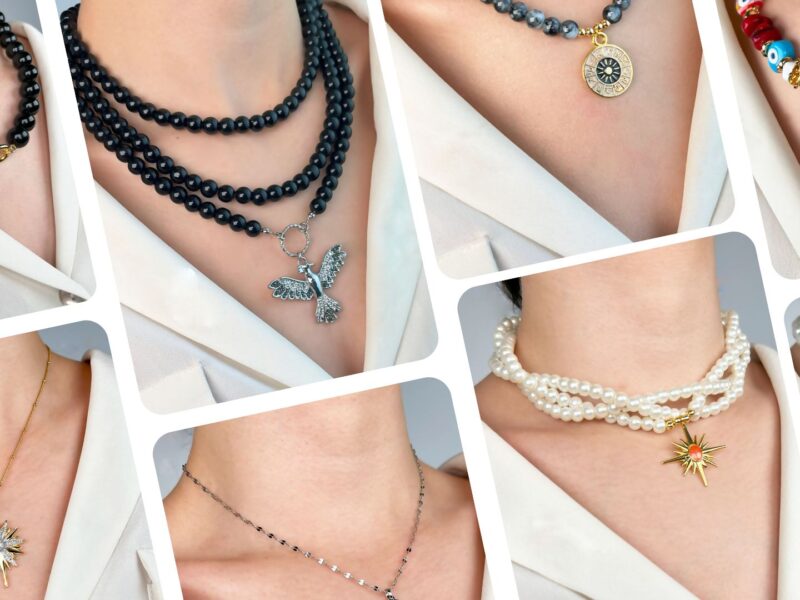
Try a Pearl Necklace with clothing that feels deliberately less formal.
For example:
- Pearls + white T-shirt
- Pearls + denim
- Pearls + oversized shirt
- Pearls + blazer
- Pearls + knitwear
The contrast between the traditional association of pearls and contemporary clothing creates the styling interest.
18. Pearls and Chains Together
Pearls and chains can complement each other because their textures are noticeably different.
Try layering a pearl necklace with a simple chain at another length.
Keep enough separation between the pieces so both textures remain visible.
19. Pearl Jewelry for Daytime
Pearls do not need to be reserved for formal occasions.
For daytime, combine them with casual clothing, simple earrings, and a practical bag.
The jewelry can add polish without making the complete outfit feel overly formal.
20. Pearl Jewelry for Evening
For evening, pearls can work with a minimal dress, tailored separates, or an open neckline.
You can increase visual impact through scale, layering, or stronger earrings.
If the pearl piece is already visually dominant, keep the remaining accessories more restrained.
21. Natural Stone Jewelry
Natural stones bring color, texture, and organic variation into jewelry styling.
Because stones can vary naturally in pattern and tone, they can create a different visual effect from uniform polished metal.
A Natural Stone Necklace can become a focal point or simply introduce a small amount of color.
22. How to Style Natural Stone Jewelry
Neutral clothing provides an easy starting point.
White, black, cream, beige, grey, denim, and linen can all give colorful stones enough visual space.
You can repeat one stone color elsewhere in the outfit or allow the jewelry to provide the only strong color accent.
23. Natural Stone Jewelry and Bohemian Styling
Natural stones work naturally with relaxed silhouettes, textured fabrics, linen, flowing dresses, and layered accessories.
For a more expressive look, combine natural stone jewelry with bracelets or an Anklet.
Vary the scale of the pieces so the combination does not become visually uniform.
24. Natural Stone Jewelry with Tailoring
Natural stones can also provide contrast to structured clothing.
A colorful stone necklace against a blazer or simple tailored outfit can soften the overall effect and introduce a more personal detail.
This contrast can work particularly well when the clothing palette is neutral.
25. Is Natural Stone Jewelry Sustainable?
Natural materials should not automatically be described as sustainable or environmentally friendly.
The environmental and social impact of jewelry can depend on sourcing, extraction, processing, manufacturing, transport, packaging, longevity, and other factors.
If sustainability is an important purchasing consideration, look for specific, verifiable information about a product and its supply chain rather than assuming that “natural” automatically means sustainable.
26. Natural Stone Meanings and Symbolism
Natural stones have been associated with different meanings across cultures and traditions.
Some people choose particular stones because of these symbolic associations, while others select them simply for their color, pattern, or texture.
Claims involving energy, healing, protection, or wellness should be understood as cultural, spiritual, or personal beliefs rather than scientifically established effects.
27. Sculptural Jewelry
Sculptural jewelry uses shape and volume as major design elements.
Curved surfaces, irregular forms, geometric structures, oversized shapes, and abstract details can make a piece feel closer to a small design object than a conventional accessory.
This type of jewelry works particularly well when the surrounding outfit provides enough visual space.
28. Sculptural Earrings
Sculptural Earrings can frame the face and become the main accessory in an outfit.
Wear them with tied-back hair for greater visibility or allow them to appear partially through loose hair for a softer effect.
A simple neckline can help keep attention near the face.
29. Sculptural Rings
A sculptural ring can create a strong detail without requiring a statement necklace or earrings.
This is particularly useful with minimal clothing where small design details become more noticeable.
Pair one stronger ring with simpler pieces if you want a controlled look.
30. Sculptural Jewelry with Minimal Clothing
Minimal clothing creates a natural background for architectural and abstract jewelry.
A monochromatic outfit, simple dress, clean blazer, or basic knit can allow the jewelry shape to become more visible.
Think of the jewelry as part of the silhouette rather than only as decoration.
31. Minimalist Jewelry
Bold jewelry is only one direction. Minimalist jewelry remains useful because it can integrate easily into everyday wardrobes.
Fine chains, small earrings, simple rings, and understated bracelets can provide detail without dominating an outfit.
Minimal pieces are also useful foundations for layering.
32. How to Style Minimalist Jewelry
Instead of focusing only on the size of the jewelry, pay attention to placement and proportion.
A single delicate necklace can define an open neckline, while small earrings can provide enough detail for a highly patterned outfit.
Minimal jewelry can also balance a strong bag or colorful clothing.
33. Layered Necklaces
Layering remains one of the most flexible ways to personalize necklaces.
Combine different lengths, textures, pendant sizes, or metal tones to create separation between the pieces.
Start with two necklaces if you want a cleaner result and add another layer when the outfit allows more detail.
34. How to Layer Necklaces Successfully
A simple structure is:
- Short necklace
- Medium necklace
- Longer necklace or pendant
The exact lengths are less important than maintaining enough visual separation for each necklace to remain visible.
You can also combine pearls, chains, natural stones, and different metal tones.
35. Layered Bracelets
Bracelet stacking provides another way to combine different textures and metals.
Try mixing a fine chain with a stronger bracelet or combining metal jewelry with natural stones.
You do not need a large number of pieces — two contrasting bracelets can be enough.
36. Layered Rings
Ring styling can range from one statement design to several fine rings distributed across the hands.
Mixing widths and metal tones creates contrast.
If you are wearing several rings, leaving some fingers without jewelry can prevent the arrangement from feeling overly uniform.
37. Colorful Jewelry
Colorful jewelry can transform neutral clothing without requiring a major wardrobe change.
A colorful necklace, earrings, bracelet, or ring can become the central accent against black, white, cream, beige, grey, or denim.
Natural stones are one option, but enamel, beads, and other decorative materials can also introduce color depending on the jewelry design.
38. How to Style Colorful Jewelry
Choose whether you want harmony or contrast.
You can repeat a color already present in the clothing, select a neighboring shade for a softer transition, or use a contrasting color for greater impact.
When the jewelry is highly colorful, keeping the bag relatively neutral can help maintain balance.
39. Jewelry as a Pop of Color
Using jewelry as a single color accent is particularly effective with monochromatic outfits.
A black outfit with colorful earrings or a white shirt with a vibrant necklace can create a strong focal point.
You do not need to repeat the exact jewelry color throughout the entire outfit.
40. Steel Jewelry for Contemporary Styling
Steel Jewelry can complement contemporary wardrobes through clean lines, polished surfaces, and streamlined forms.
It can work with casual clothing, tailoring, monochromatic outfits, and layered jewelry combinations.
As with any finished jewelry piece, the appropriate care depends on its complete construction, including any plating, coating, stones, or decorative elements.
41. Steel Necklaces
A steel necklace can add definition to a simple shirt, T-shirt, blazer, or dress.
Wear one piece alone for a minimal effect or combine different lengths for more visual depth.
Steel-tone pieces can also be mixed with warmer metal tones.
42. Hoop Earrings
Hoop Earrings remain versatile because changing their scale can completely change the effect.
Small hoops can provide subtle everyday detail, while larger designs create more presence around the face.
They can work with both minimal and layered jewelry combinations.
43. Statement Earrings
Statement earrings provide an alternative to a statement necklace.
They work particularly well when you want the focal point near the face or when the clothing neckline already contains significant detail.
Keep the necklace minimal or skip it when the earrings provide enough visual impact.
44. Jewelry with Monochromatic Outfits
A monochromatic outfit provides a strong background for experimenting with jewelry.
You can introduce contrast through:
- Metal tone
- Color
- Texture
- Scale
- Layering
A black, white, beige, or grey outfit can therefore look completely different depending on the jewelry.
45. Jewelry with Tailored Outfits
Tailoring naturally provides structure, which can be complemented or contrasted through jewelry.
Fine necklaces and simple earrings maintain a restrained look, while sculptural jewelry or chunky chains create stronger contrast.
The choice depends on how formal or expressive you want the outfit to feel.
46. Jewelry with Casual Outfits
Casual clothing can be an effective background for both classic and statement jewelry.
Pearls can refine denim, a chunky chain can strengthen a basic T-shirt, and natural stones can introduce color to neutral clothing.
Jewelry can therefore change the mood of familiar wardrobe basics.
47. Jewelry for Office Styling
For work, choose jewelry according to your workplace, comfort, and personal style.
Fine necklaces, small hoops, simple bracelets, pearls, and streamlined metal jewelry can work well with shirts, blazers, knitwear, and tailored clothing.
If you prefer a stronger look, make one piece the focal point rather than increasing every accessory at once.
48. Jewelry for Evening Styling
Evening styling can provide more room for scale, contrast, texture, and layering.
Try statement earrings with no necklace, a bold necklace with smaller earrings, or several delicate necklaces with a simple dress.
The goal is not necessarily to wear more jewelry, but to create stronger visual emphasis.
49. Jewelry and Shoulder Bags
A Shoulder Bag adds another accessory to the outfit, so consider its visual weight.
A highly decorative bag can work with simpler jewelry, while a minimal bag provides more room for statement pieces.
Hardware can be coordinated with jewelry metal tones, but exact matching is optional.
50. Jewelry and Crossbody Bags
A Crossbody Bag creates a strong diagonal line across the body.
Shorter necklaces can keep the jewelry visually separated from the strap, while earrings and bracelets add detail without increasing activity around the torso.
This makes crossbody bags particularly easy to combine with casual jewelry styling.
51. Jewelry and Handbags
A Handbag can either support the jewelry or become a second focal point.
For a balanced evening outfit, combine a strong necklace with a relatively simple bag or use statement bag details with more restrained jewelry.
The accessories can share a color or metal tone without matching exactly.
52. Jewelry and Backpacks
A Backpack can be combined with jewelry for a more polished everyday look.
Consider practical details such as straps when wearing very long earrings or necklaces.
Pearls, simple chains, hoops, and understated bracelets can all provide contrast to the practical character of a backpack.
53. How to Combine Several Jewelry Trends
You do not need to choose one styling direction at a time.
For example, you could combine:
- Pearls + chains
- Gold + silver tones
- Natural stones + metal bracelets
- Chunky + delicate necklaces
- Sculptural earrings + minimalist rings
The key is creating one visual relationship between the pieces.
54. How Many Jewelry Trends Should You Wear at Once?
There is no fixed limit.
Instead of counting trends, consider visual weight. Several delicate pieces may create less impact than one oversized necklace.
If the outfit begins to feel crowded, remove the piece that contributes least to the overall composition.
55. How to Make Jewelry Trends Feel Personal
Start with pieces you already enjoy wearing and introduce one new styling idea.
You might mix metals you previously kept separate, layer a pearl necklace with a chain, or wear a statement piece with a simple everyday outfit.
This approach makes trends feel integrated into your wardrobe rather than temporary additions.
56. How to Choose Jewelry Beyond Trends
Before choosing a piece, ask:
- Does it work with several outfits I already own?
- Is the scale comfortable for me?
- Can I style it for more than one occasion?
- Does it complement my other jewelry?
- Do I genuinely like the design beyond its current popularity?
These questions can be more useful than choosing jewelry based solely on whether a particular style is considered fashionable.
57. Five Jewelry Styling Directions to Try
If you want a simple starting point, try these five approaches:
- Bold: Statement necklace + simple clothing.
- Mixed: Gold- and silver-tone jewelry together.
- Modern Classic: Pearls + contemporary clothing.
- Artistic: Sculptural earrings or rings + monochromatic outfit.
- Textured: Natural stones + polished metal jewelry.
Each can be adapted to casual, office, or evening styling depending on the scale of the pieces.
58. Common Jewelry Trend Styling Mistakes
Avoiding a few common mistakes can make trend-inspired styling feel more natural:
- Following every trend at once: Choose ideas that fit your personal wardrobe.
- Making every accessory a focal point: Create visual hierarchy.
- Matching everything exactly: Coordination does not require identical jewelry.
- Avoiding mixed metals: Gold- and silver-tone pieces can work together.
- Ignoring clothing proportions: Jewelry scale should interact with necklines, sleeves, and silhouettes.
- Assuming natural means sustainable: Sustainability requires specific information about sourcing and production.
- Ignoring comfort: Weight, movement, closures, and daily activities matter as much as appearance.
59. Build a Jewelry Collection That Outlasts Individual Trends
A versatile jewelry collection does not need to be rebuilt whenever styling preferences change.
Consider combining foundational pieces with a smaller number of expressive designs:
- A simple necklace
- A chain necklace
- Versatile earrings
- A bracelet
- A few rings
- A pearl piece
- A colorful or natural stone piece
- One stronger statement design
Different combinations can make the same pieces feel new without requiring a completely different collection.
“The best way to use a trend is to make it recognizable as your style, not simply as the trend itself.”
— SOSE Style Notes
Discover Your Jewelry Style
Jewelry trends can provide inspiration, but personal styling is what gives them longevity. Statement pieces can add drama, mixed metals can create flexibility, pearls can move between classic and contemporary outfits, natural stones can introduce color and texture, and sculptural designs can turn jewelry into a focal point.
Rather than asking which trend you need to follow, consider which styling direction gives you new ways to wear the clothes and jewelry you already enjoy.
Experiment with scale, color, texture, metal tones, and layering to create combinations that feel personal rather than temporary.
Explore SOSE Necklaces, Earrings, Bracelets, Rings, and Bags to discover different ways to develop your personal style.