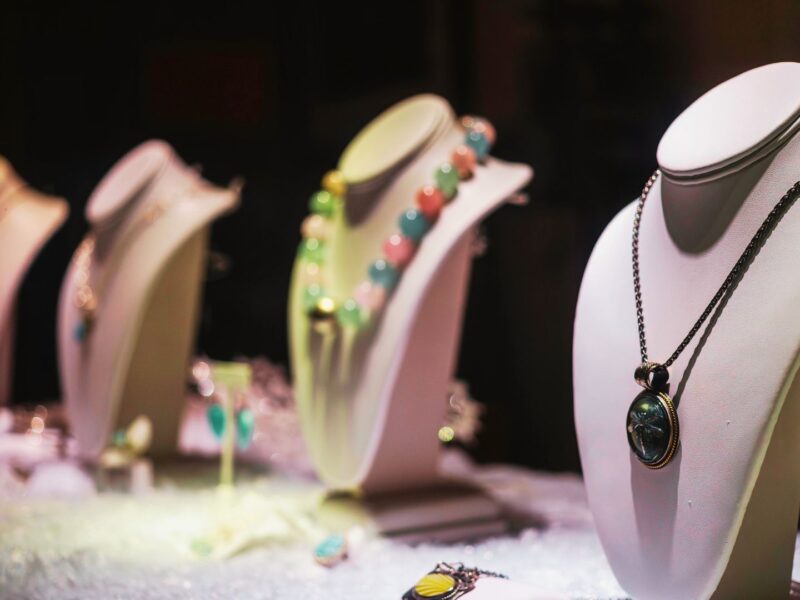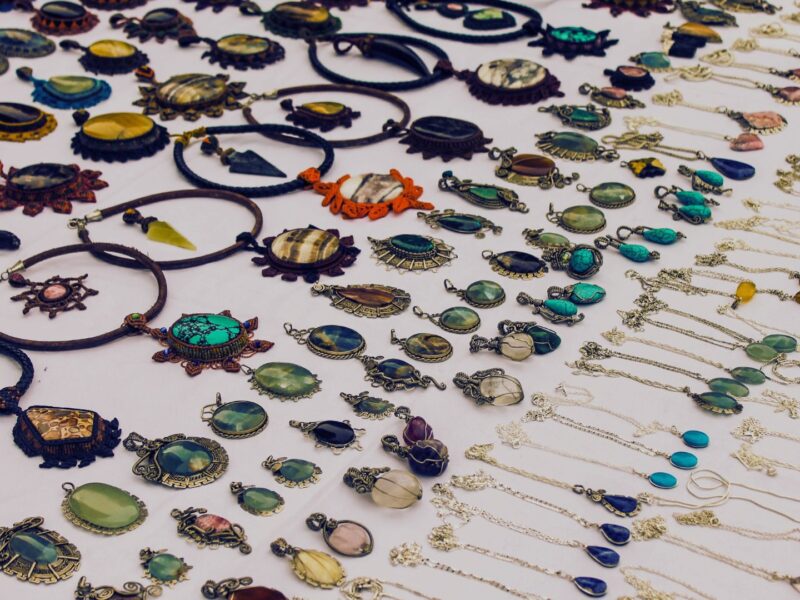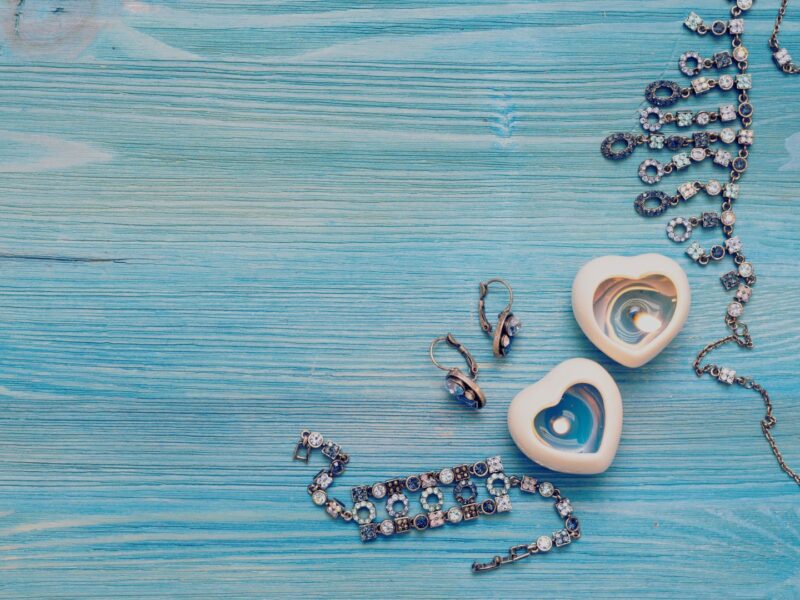
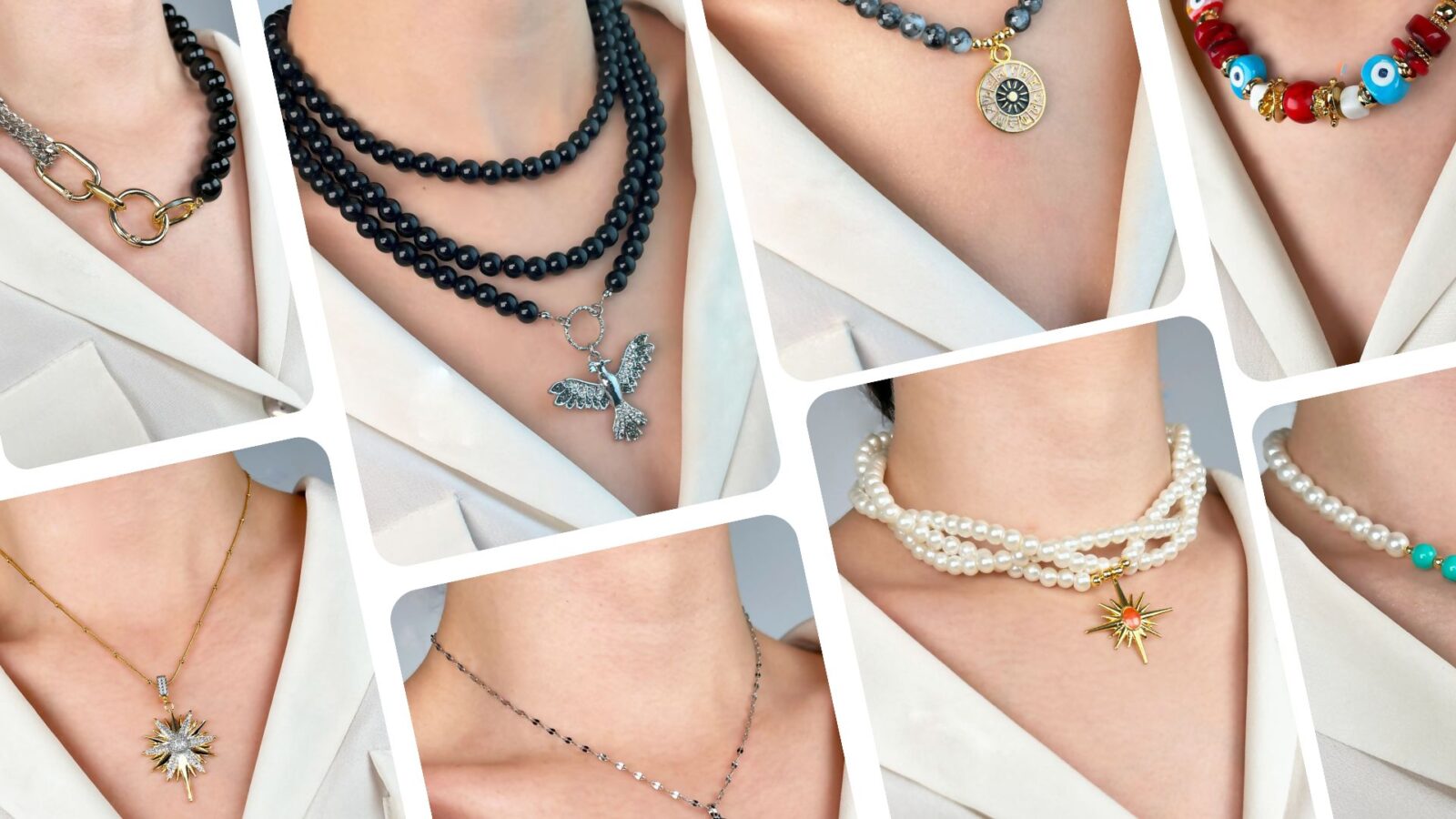
Necklace trends are increasingly about personal expression rather than following a single styling rule. Delicate chains can be layered with pearls, natural stones can introduce color and texture, statement necklaces can transform simple outfits, and minimalist designs can become everyday signatures.
The right necklace can also change the balance of an entire outfit. Length, scale, texture, neckline, color, and the other accessories you wear all influence how a necklace looks once styled.
So which necklace styles are trending? How should you wear layered necklaces? Are pearl necklaces still modern? How can natural stone, chain, choker, and statement necklaces be incorporated into everyday outfits? This guide explores popular necklace trends and practical ways to adapt them to your personal style.
1. Why Necklaces Remain an Essential Part of Personal Style
Necklaces sit close to the face and neckline, which gives them a strong visual role in an outfit.
A delicate necklace can add a subtle finishing detail, while a statement design can become the central feature of the entire look.
Unlike trends that depend on one specific silhouette, necklaces can also be adapted through layering, length, texture, and material combinations.
“A necklace does more than complete an outfit. Its length, texture, and scale can change the way the entire look is perceived.”
— SOSE Style Notes
2. What Necklace Styles Are Popular?
Contemporary necklace styling brings together several different directions rather than focusing on one dominant look.
Some of the most versatile necklace styles include:
- Layered necklaces combining different lengths and textures
- Chain necklaces ranging from delicate to bold
- Pearl necklaces styled beyond traditional formalwear
- Natural stone necklaces introducing color and texture
- Choker necklaces creating definition around the neckline
- Statement necklaces designed to become the focal point
- Minimalist necklaces for understated everyday styling
- Pendant and medallion necklaces adding a personal focal detail
The most useful approach is to treat these as styling directions rather than rules and choose the pieces that fit your wardrobe naturally.
3. Layered Necklaces for a Personalized Look
Layered necklaces allow several pieces to work together in one composition.
The easiest way to begin is by combining necklaces at visibly different lengths. A short chain can create the first level, a medium-length necklace the second, and a longer pendant the final focal point.
Explore different Necklaces and consider how their lengths, textures, and proportions interact rather than choosing each piece individually.
4. How to Layer Two Necklaces
Two necklaces are often enough to create a layered effect without making an outfit feel overly detailed.
Try pairing a short, simple necklace with a longer design. The two pieces can share a metal tone or deliberately introduce different textures.
For example, a fine chain can be combined with a pearl or natural stone necklace.
5. How to Layer Three Necklaces
When combining three necklaces, visual separation becomes particularly important.
A practical structure is:
- Short: Choker or delicate short chain
- Medium: Chain, pearl, or textured necklace
- Long: Pendant or medallion necklace
The necklaces do not need to have exact spacing between them. Neck size, necklace construction, pendant dimensions, and clothing all affect how they sit when worn.
6. Do Layered Necklaces Need to Match?
No. Layered necklaces can share one connecting detail without being identical.
That detail might be a metal tone, stone color, chain texture, or repeated shape.
Alternatively, contrast itself can create the connection. Pearls with metal chains or natural stones with minimal necklaces can produce a more expressive layered look.
7. How to Prevent Layered Necklaces from Looking Too Busy
Choose one piece to carry most of the visual weight.
If you are wearing a colorful natural stone necklace, keep the surrounding chains simpler. If a large pendant is the focal point, the shorter layers can be more delicate.
This creates hierarchy rather than making every necklace compete for attention.
8. Chain Necklaces: From Minimal to Bold
A Chain Necklace is one of the most adaptable pieces in a jewelry collection.
Fine chains can create a subtle everyday look, while larger links can introduce stronger visual structure.
Chains can also act as the foundation for layered necklace combinations because they work easily with pendants, pearls, natural stones, and other textures.
9. How to Style a Delicate Chain Necklace
A delicate chain can work particularly well with simple shirts, T-shirts, knitwear, dresses, and open necklines.
Wear it alone when you want the jewelry to remain understated, or use it as the shortest layer in a necklace stack.
Small earrings and a simple bracelet can continue the minimal direction without making the accessories feel overly coordinated.
10. How to Style a Bold Chain Necklace
A larger chain can become the focal point of an outfit.
Try wearing it with a plain top, monochromatic dress, open shirt, or structured blazer. Simpler clothing allows the scale and texture of the chain to become more visible.
If the necklace already creates strong visual impact, understated earrings can help maintain balance.
11. Pearl Necklaces with a Modern Approach
Pearl Necklaces do not have to be limited to formal or traditionally elegant outfits.
Pearls can be paired with T-shirts, denim, shirts, knitwear, blazers, and contemporary dresses.
The contrast between the familiar elegance of pearls and more relaxed clothing can make the styling feel more current.
12. How to Wear Pearls Casually
For a casual look, pair a pearl necklace with a simple white T-shirt, oversized shirt, denim, or knitwear.
A relaxed outfit prevents the pearls from feeling overly formal while allowing them to remain visually distinctive.
You can also combine pearls with a chain necklace for additional contrast.
13. How to Layer Pearls and Chains
Pearls and chains work together because their textures are noticeably different.
Try placing a shorter chain above a pearl necklace or using the pearls as the shortest layer with a longer pendant underneath.
The objective is not to make the two pieces look identical, but to let the contrast create interest.
14. Natural Stone Necklaces for Color and Texture
A Natural Stone Necklace can introduce color, irregular texture, and a more organic visual character into an outfit.
Natural stone jewelry can work particularly well with neutral clothing because the colors and textures become more noticeable.
It can also complement bohemian, relaxed, resort-inspired, or eclectic styling.
15. How to Style Natural Stone Necklaces
With a colorful natural stone necklace, allow the jewelry to become one of the main color elements in the outfit.
White, beige, black, denim, and other neutral clothing can create a simple background for stronger stone colors.
Alternatively, select one color from the necklace and repeat it subtly elsewhere in your outfit or accessories.
16. Natural Stones and Symbolic Meanings
Natural stones have been associated with different symbolic meanings across cultures, traditions, and personal belief systems.
Some people choose stones according to these associations, while others simply prefer their colors and natural appearance.
Claims relating to healing, protection, energy, or other wellness effects should be understood as traditional or personal beliefs rather than scientifically established properties.
17. Bohemian Necklaces for Relaxed Styling
Bohemian necklaces often combine color, texture, beads, stones, pendants, and layered elements.
They work naturally with flowing dresses, linen, relaxed shirts, denim, and vacation-inspired outfits.
The key is to let the jewelry feel intentionally eclectic rather than simply adding as many accessories as possible.
18. How to Style Bohemian Necklaces
Try a natural stone or textured necklace with a neutral maxi dress or linen shirt.
If you want a more layered look, add a simpler chain at another length.
An Anklet or bracelet can continue the relaxed styling without requiring every accessory to match.
19. Minimalist Necklaces for Everyday Style
Minimalist necklaces remain useful because they can work across casual, professional, and more polished outfits.
A simple chain, small pendant, or understated necklace can add detail without becoming the focal point of the look.
Minimal jewelry can also provide a foundation for layering when you want to add more pieces later.
20. How to Style a Minimalist Necklace
Pair a delicate necklace with a shirt and trousers for work, or wear it with denim and a basic top for a casual outfit.
Small Earrings and a simple Ring can complement the necklace while keeping the overall styling restrained.
21. Do Minimalist Necklaces Have to Be the Same Metal Tone?
No. Minimalist styling does not require every jewelry piece to use the same metal color.
Gold- and silver-tone jewelry can be mixed if the combination feels intentional.
If you are new to mixed-metal styling, try using one tone as the main color and introducing the second through one or two smaller pieces.
22. Choker Necklaces for Defined Necklines
A choker sits closer to the neck than many traditional necklace lengths, making it particularly useful for creating definition around an open neckline.
A Choker Necklace can be worn alone or used as the first level in a layered combination.
It can work with dresses, shirts, tank tops, and other pieces where the neckline leaves enough visual space for the necklace.
23. How to Layer a Choker
Pair a choker with a medium-length chain or longer pendant to create clear separation between the pieces.
If the choker itself is highly decorative, the longer necklace can be simpler.
If the choker is minimal, the second or third layer can carry more visual detail.
24. Pendant and Medallion Necklaces
Pendant and medallion necklaces create a natural focal point because the decorative element draws the eye toward a specific area.
They can be worn alone or incorporated into layered combinations.
A pendant is particularly useful when you want the longest necklace in a stack to have a clear visual ending point.
25. How to Style a Medallion Necklace
A medallion necklace can work with V-necks, shirts, simple dresses, and knitwear depending on its length.
For layering, combine it with a shorter chain or choker so the medallion remains clearly visible.
Avoid placing another large pendant directly beside it unless you intentionally want a more maximalist effect.
26. Statement Necklaces for Maximum Impact
A statement necklace is designed to command attention through scale, color, shape, texture, or decorative detail.
Statement necklaces can transform simple clothing because they function almost like a visual centerpiece.
Monochromatic outfits, open necklines, and uncomplicated silhouettes can provide an effective background.
27. How to Style a Statement Necklace
If the necklace is the main feature, consider reducing competition from other accessories.
Smaller earrings, a simple bracelet, or a restrained bag can allow the necklace to remain dominant.
However, maximalist styling can also work when it is intentional. The important factor is visual hierarchy rather than a strict rule about the number of accessories.
28. Statement Necklaces with Simple Outfits
A black dress, white shirt, monochromatic jumpsuit, or simple knit can provide a clean background for a stronger necklace.
This approach is particularly useful when you want to transform familiar wardrobe pieces without changing the entire outfit.
One distinctive necklace can be enough to create a different visual identity.
29. Mixed-Metal Necklaces
Mixing gold- and silver-tone jewelry can create a more flexible and contemporary approach to accessorizing.
You can combine necklaces in different metal colors or use other jewelry categories to repeat each tone elsewhere in the outfit.
For example, a silver-tone necklace and gold-tone chain can feel more intentional when both colors also appear subtly in rings or bracelets.
30. How to Mix Gold- and Silver-Tone Necklaces
Use necklace length to create separation between different metal colors.
A short gold-tone chain can sit above a longer silver-tone necklace, or the arrangement can be reversed.
Repeating both tones helps create a connected look rather than making one piece appear accidental.
31. Colorful Necklaces as an Outfit Accent
Colorful necklaces can function as an accent when the rest of the outfit is relatively neutral.
Natural stones, beads, and other colorful details can add contrast to black, white, beige, denim, or monochromatic clothing.
You can either repeat one of the necklace colors elsewhere or allow the jewelry to remain the only strong color in the look.
32. How to Choose a Necklace for Your Neckline
The relationship between a necklace and clothing neckline can significantly affect the final look.
Rather than following one rigid rule, consider whether the necklace has enough visual space to be seen clearly.
Length, pendant position, neckline depth, and clothing texture all influence the result.
33. Necklaces with a V-Neck
V-neck clothing can work particularly well with pendant necklaces because both create a similar downward visual direction.
Shorter necklaces can also be layered above the pendant to fill the open neckline.
Experiment with different lengths rather than assuming there is one correct necklace measurement for every V-neck.
34. Necklaces with Crew-Neck Tops
With a crew-neck top, you can either choose a short necklace that sits above the neckline or a longer necklace that falls clearly below it.
Very similar necklace and neckline positions may visually compete, so creating clear separation can help.
35. Necklaces with Shirts and Blazers
An open shirt or blazer creates a natural frame around necklaces.
A delicate chain can maintain a professional feel, while layered necklaces or a stronger chain can create a more fashion-focused result.
For office styling, adjust the amount of jewelry according to the dress culture of your workplace.
36. Necklaces with High-Neck Clothing
High-neck clothing does not mean necklaces have to disappear.
Longer chains and pendants can be worn over knitwear or other high-neck fabrics, creating a different type of layering.
You can also shift the focus away from necklaces and use earrings or rings instead.
37. Necklace Trends for Casual Outfits
For casual styling, necklaces can introduce personality into basic wardrobe pieces.
A chain with a T-shirt, natural stones with a linen shirt, or layered necklaces with denim can create a more considered look without making the outfit formal.
A Crossbody Bag can complement this relaxed styling.
38. Necklace Trends for Office Outfits
Office jewelry can range from minimal to expressive depending on the workplace.
A delicate chain, pearl necklace, or restrained layered combination can work with shirts, blazers, dresses, and tailored separates.
A structured Shoulder Bag can reinforce the polished character of the outfit.
39. Necklace Trends for Evening Outfits
Evening styling provides more room for statement necklaces, pearls, layered chains, and stronger natural stone designs.
With an open neckline, the necklace can become the main accessory. With highly detailed clothing, a simpler necklace may create better balance.
A compact Handbag can complete the look without needing to match the necklace exactly.
40. Necklace Trends for Summer Outfits
Summer clothing often exposes more of the neckline, creating additional space for necklace styling.
Layered chains, natural stones, pearls, and chokers can work with dresses, tank tops, shirts, and resort-inspired outfits.
Remember that perspiration, sunscreen, salt water, chlorine, and other environmental factors can affect jewelry materials differently. Follow the care instructions for each piece.
41. Necklace Trends for Winter Outfits
Necklaces can remain visible during colder seasons by being worn over knitwear or inside the opening of a shirt, cardigan, or blazer.
Longer chains and pendants can be particularly effective over simple sweaters.
Be mindful of textured fabrics, scarves, and outerwear that may catch on delicate chains.
42. How to Match Necklaces with Earrings
A necklace and earrings do not need to form an identical set.
If the necklace is large or highly decorative, smaller earrings can create balance. If the necklace is minimal, earrings can become the stronger element.
Shared metal tones, shapes, colors, or textures can provide enough visual connection.
43. How to Match Necklaces with Bracelets
A Bracelet can complement a necklace through metal tone, texture, or color without matching it exactly.
With layered necklaces, a simple bracelet may be enough. With a minimal necklace, a bracelet stack can introduce additional detail elsewhere in the outfit.
44. How to Match Necklaces with Rings
Rings provide another opportunity to repeat a metal tone or design detail from your necklace.
You can also deliberately mix metals rather than creating an exact match.
The goal is to make the jewelry feel connected to the complete outfit rather than treating each piece in isolation.
45. How to Match a Necklace with Your Bag
Your necklace and bag do not need to share the same color or material.
A statement necklace can be balanced with a simpler bag, while a distinctive bag may work better with more restrained jewelry.
Bag hardware can also provide a subtle connection to the metal tones used in your jewelry.
46. How to Choose a Necklace for Your Personal Style
Instead of choosing a necklace only because it is popular, consider how naturally it fits your existing wardrobe.
Ask yourself:
- Do I prefer minimal or statement jewelry?
- Which necklace lengths do I actually wear?
- Do I prefer gold-tone, silver-tone, or mixed metals?
- Do I enjoy color or mostly wear neutral jewelry?
- Will I wear this necklace alone or layered?
- Which necklines appear most often in my wardrobe?
- Does the scale of the necklace feel comfortable?
A trend becomes useful when it can be adapted to your personal style rather than copied exactly.
47. Common Necklace Styling Mistakes
A few common choices can make necklace styling more difficult:
- Choosing only according to trends: Consider whether the necklace works with your wardrobe.
- Ignoring necklace length: Length affects how the piece interacts with your neckline.
- Layering necklaces at nearly identical positions: Clearer separation can make each piece more visible.
- Making every accessory a statement: Visual hierarchy can create a more balanced look.
- Assuming metals cannot be mixed: Gold- and silver-tone jewelry can be styled together.
- Matching everything exactly: Cohesion does not require an identical necklace, earrings, bracelet, and bag.
- Ignoring comfort: Weight, length, closures, and movement matter as much as appearance.
48. Five Easy Necklace Styling Ideas
If you want simple formulas to start with, try these combinations:
- Minimal Everyday: Delicate chain + small earrings + simple ring.
- Modern Layering: Short chain + medium necklace + longer pendant.
- Classic with a Twist: Pearl necklace + contemporary chain.
- Bohemian Style: Natural stone necklace + bracelet + relaxed clothing.
- Statement Look: Bold necklace + understated earrings + simple outfit.
These are starting points rather than fixed rules. Adjust the combinations according to your neckline, clothing, occasion, and personal style.
“The most useful necklace trend is the one you can reinterpret with pieces that already feel like you.”
— SOSE Style Notes
Discover Your Necklace Style with SOSE
Necklace trends offer many ways to personalize an outfit without relying on one fixed formula. Layered necklaces create depth, pearls combine classic and contemporary styling, natural stones introduce color and texture, chains range from minimal to bold, and statement necklaces can transform simple clothing.
The key is to consider how each necklace works with your wardrobe, neckline, other jewelry, and everyday lifestyle. Trends can provide inspiration, but personal style should determine how you actually wear them.
Explore SOSE Necklaces, Chain Necklaces, Pearl Necklaces, Natural Stone Necklaces, and Choker Necklaces to discover different ways to express your personal style.