Stainless steel jewelry is widely used in contemporary accessories thanks to its clean appearance, versatility, and corrosion-resistant properties. From necklaces and bracelets to earrings, rings, and anklets, steel jewelry can work across minimal, casual, and more expressive styles.
However, stainless steel jewelry is not completely maintenance-free. Everyday exposure to perspiration, skin oils, perfume, cosmetics, cleaning products, moisture, friction, and improper storage can affect the appearance of a finished piece over time.
So how do you care for stainless steel jewelry? Can you shower or swim while wearing it? How should steel jewelry be stored? What should you avoid if you want to maintain its appearance? This guide focuses on practical, long-term stainless steel jewelry care and the everyday habits that can help protect your favorite pieces.
1. What Is Stainless Steel Jewelry?
Stainless steel is a family of iron-based alloys containing chromium, which contributes to the material’s corrosion resistance.
However, not all stainless steel jewelry is identical. Alloy composition, surface finish, plating, coatings, stones, adhesives, and decorative components can vary from one piece to another.
For that reason, jewelry care should be based on the complete piece rather than assuming that every item described as stainless steel will behave in exactly the same way.
2. Why Does Stainless Steel Jewelry Still Need Care?
Corrosion resistance does not mean a piece of jewelry is unaffected by everyday wear.
Jewelry regularly comes into contact with:
- Skin oils
- Perspiration
- Perfume
- Lotions and creams
- Sunscreen
- Soap and cosmetics
- Household chemicals
- Water and humidity
- Clothing and other jewelry
These factors can leave residue, create friction, or affect surface finishes and decorative components.
“Long-term jewelry care begins with everyday habits: how you wear, handle, and store a piece can matter as much as how you clean it.”
— SOSE Style Notes
3. Is Stainless Steel Jewelry Durable?
Stainless steel is generally valued for its durability and corrosion resistance, which helps explain its widespread use in jewelry and accessories.
But durability should not be interpreted as indestructibility.
Scratches, impact, chemical exposure, plating wear, damaged settings, and repeated friction can still affect a finished jewelry piece.
4. Does Stainless Steel Jewelry Tarnish?
Stainless steel generally offers good resistance to corrosion, but the appearance of a finished jewelry piece depends on more than the underlying steel.
Plating, coatings, surface treatments, stones, adhesives, and environmental exposure can all influence how a piece changes over time.
Additionally, a dull appearance may simply result from fingerprints, skin oils, cosmetics, or other residue rather than a change in the underlying metal.
5. Can Stainless Steel Jewelry Rust?
Stainless steel is designed to resist corrosion better than ordinary steel, but corrosion resistance is not absolute under every possible condition.
Alloy composition, chemical exposure, environmental conditions, surface damage, and maintenance can influence performance.
It is therefore better to care for steel jewelry appropriately than to assume it can never show any change.
6. Is Stainless Steel Jewelry Hypoallergenic?
It is not accurate to describe every stainless steel jewelry piece as universally hypoallergenic.
Different steel alloys may have different compositions, and finished jewelry can also include plating, coatings, solder, decorative components, or other materials.
Individual skin sensitivities also vary. If you have a known metal allergy or experience irritation while wearing jewelry, check the specific material information and seek appropriate professional advice when necessary.
7. What Can Make Stainless Steel Jewelry Look Dull?
Loss of visible shine is often caused by surface buildup rather than damage to the steel itself.
Common causes include:
- Fingerprints
- Skin oils
- Perspiration
- Body lotion
- Sunscreen
- Makeup
- Soap residue
- Dust and environmental particles
Regular gentle care can help prevent this residue from accumulating.
8. Wipe Jewelry After Wearing It
One of the simplest long-term care habits is to gently wipe jewelry after wearing it.
A clean, soft, dry cloth can help remove fingerprints, light perspiration, and surface oils from many pieces.
This is particularly useful for jewelry worn frequently or during warm weather.
9. How Often Should Stainless Steel Jewelry Be Cleaned?
There is no universal cleaning schedule.
A ring worn every day may accumulate residue more quickly than a necklace worn occasionally. Climate, cosmetics, activity level, and how the piece is stored also make a difference.
Instead of following a rigid calendar, inspect jewelry periodically and clean it when visible residue or buildup appears.
10. Start with the Gentlest Cleaning Method
For routine surface care, begin with the least aggressive method appropriate for the piece.
A soft cloth may be sufficient for fingerprints and light residue.
If deeper cleaning is necessary, follow the specific care instructions for the jewelry rather than automatically reaching for abrasive powders, household cleaners, or strong chemicals.
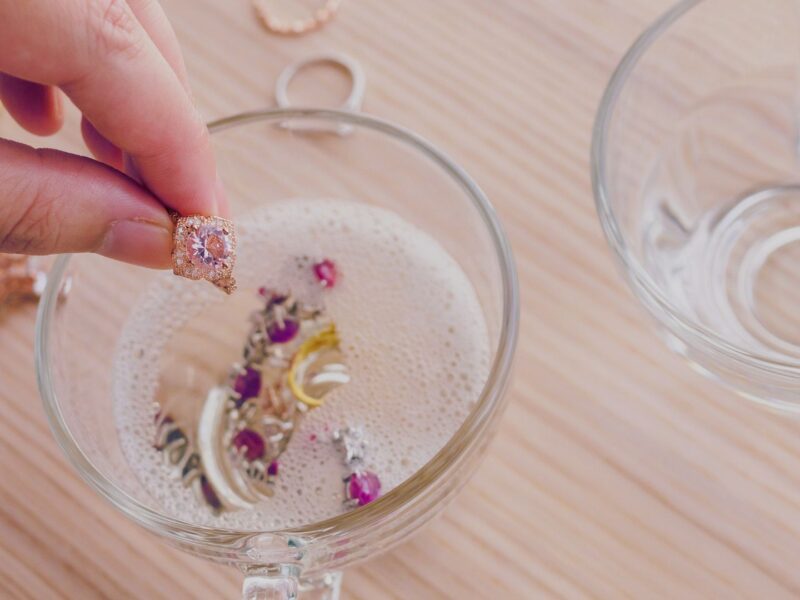
11. Should Stainless Steel Jewelry Be Soaked?
Do not assume that every stainless steel jewelry piece can be safely soaked.
While the base metal may tolerate water in many situations, the finished jewelry may also contain plating, stones, pearls, enamel, adhesives, cords, or other components.
Unless the care instructions specifically support immersion, a controlled cleaning method is the more cautious approach.
12. Avoid Aggressive Scrubbing
Abrasive or aggressive scrubbing can affect polished surfaces, coatings, plating, and decorative details.
For this reason, toothbrushes, abrasive sponges, and similar tools should not automatically be used on every steel jewelry piece.
Always consider the surface finish and additional materials before choosing a cleaning tool.
13. Avoid Baking Soda and Toothpaste as Universal Cleaners
Baking soda and toothpaste are frequently suggested in home jewelry-cleaning advice, but both can introduce abrasive action.
This can be unnecessary for routine care and may be inappropriate for plated, coated, polished, or decorative surfaces.
Material-specific care is preferable to experimenting with household abrasives.
14. Keep Stainless Steel Jewelry Away from Harsh Chemicals
Household cleaning products are not designed as jewelry-care products.
Bleach and other strong chemicals can interact with metals, finishes, stones, and decorative components.
Remove jewelry before using strong household cleaners whenever practical.
15. Perfume and Stainless Steel Jewelry
Perfume can come into direct contact with necklaces and earrings when sprayed around the neck and upper body.
A useful routine is to apply perfume first, allow it to dry, and put on your jewelry afterward.
Avoid spraying fragrance directly onto jewelry.
16. Lotion, Skincare and Stainless Steel Jewelry
Moisturizers, body lotions, oils, and other skincare products can leave a film on jewelry.
Where practical, apply skincare before putting on your accessories and allow the product to absorb.
This can help reduce residue buildup on the surface.
17. Sunscreen and Stainless Steel Jewelry
Sunscreen is important for skin protection but can transfer onto necklaces, bracelets, rings, and anklets.
Apply sunscreen before jewelry and avoid spraying products directly over accessories.
If residue appears, clean the piece according to its specific material requirements.
18. Hairspray and Jewelry
Hairspray and styling products can settle on earrings and necklaces, particularly around the neck and hairline.
Apply hair products before putting on jewelry where possible.
This simple habit can reduce unnecessary cosmetic buildup.
19. Hand Sanitizer and Stainless Steel Rings
Rings are especially likely to encounter hand sanitizer throughout the day.
Sanitizer formulas can contain alcohol, fragrance, moisturizers, and other ingredients, and finished jewelry may include coatings or decorative details beyond the steel itself.
Allow your hands to dry before handling or putting jewelry back on where practical.
20. Should You Remove Stainless Steel Jewelry Before Cleaning?
Yes, removing jewelry before household cleaning is generally a sensible habit.
This reduces contact with cleaning chemicals and also protects rings, bracelets, and necklaces from impact or friction during physical tasks.
Store the jewelry safely rather than leaving it near a sink or work surface.
21. Can You Shower with Stainless Steel Jewelry?
Showering exposes jewelry not only to water but also to shampoo, conditioner, soap, body wash, and other products.
Although stainless steel itself may have good corrosion resistance, plating, coatings, stones, adhesives, and other components can have different requirements.
Removing jewelry before showering reduces unnecessary exposure unless the specific product is intended for those conditions.
22. Can You Swim with Stainless Steel Jewelry?
Swimming pools and the sea introduce different conditions from ordinary daily wear.
Chlorine, salt water, sunscreen, prolonged moisture, and other factors may affect the various components of a finished jewelry piece differently.
Unless the product is specifically intended for swimming, removing jewelry before entering the pool or sea is the more cautious approach.
23. Does Salt Water Affect Stainless Steel Jewelry?
Do not judge salt-water suitability solely by the words “stainless steel.”
The alloy, finish, plating, stones, adhesives, and decorative elements all matter.
For beach wear, check the care information for the specific piece and consider removing jewelry before swimming.
24. Does Chlorine Affect Stainless Steel Jewelry?
Chlorinated environments can be more demanding than ordinary water exposure.
Even when the underlying metal has good corrosion resistance, coatings, plating, stones, and other components may respond differently.
Avoid treating “water-resistant” and “suitable for prolonged pool exposure” as interchangeable claims.
25. Sweat and Stainless Steel Jewelry
Perspiration contains moisture and salts that can leave residue on jewelry.
After prolonged wear in hot conditions, gently wipe the piece according to its care requirements.
This is especially useful for necklaces, bracelets, and other jewelry that remains in direct contact with the skin.
26. Should You Wear Stainless Steel Jewelry While Exercising?
Removing jewelry before intense exercise can help reduce exposure to perspiration, impact, friction, and accidental pulling.
It can also prevent necklaces, bracelets, rings, or earrings from interfering with exercise equipment.
Store the pieces securely before beginning your workout.
27. How to Store Stainless Steel Jewelry
Proper storage helps reduce scratching, tangling, and unnecessary environmental exposure.
Keep jewelry in a clean, dry location using individual compartments, suitable soft pouches, or a lined jewelry organizer.
Make sure pieces are appropriately clean and dry before putting them away.
28. Should Stainless Steel Jewelry Be Stored Separately?
Separating jewelry can help prevent pieces from repeatedly rubbing against one another.
This is particularly useful when jewelry has different surfaces, stones, textures, or decorative components.
Individual storage also makes delicate chains less likely to become tangled.
29. Should You Store Jewelry in the Bathroom?
A bathroom may experience frequent changes in humidity and moisture, making it less suitable for long-term jewelry storage than a clean, dry environment.
A bedroom jewelry box, drawer, or other protected storage area may provide more stable conditions.
Regardless of location, avoid storing jewelry while it is visibly damp.
30. How to Store Stainless Steel Necklaces
Fasten necklace clasps before storage and keep chains separated where possible.
A necklace organizer, individual compartment, or appropriate pouch can reduce tangling.
Avoid placing heavier pieces directly on top of fine chains.
31. How to Store Stainless Steel Bracelets
Keep Bracelets separated from pieces that may scratch their surfaces.
For bracelets containing stones, beads, or other decorative elements, avoid placing heavy jewelry directly on top of them.
Closures should not be placed under unnecessary tension during storage.
32. How to Store Stainless Steel Rings
Rings can be stored in individual slots or compartments to reduce contact between surfaces.
Stone-set rings may require additional space so that stones and settings do not repeatedly strike neighboring pieces.
Avoid throwing several rings loose into a handbag or drawer.
33. How to Store Stainless Steel Earrings
Keep pairs of Earrings together so posts, backs, and decorative elements do not become separated.
A compartmentalized jewelry organizer can also prevent earrings from scratching or becoming tangled with necklaces.
34. How to Store Stainless Steel Jewelry While Traveling
A compact jewelry organizer can help keep pieces separated during travel.
Do not place jewelry loose inside a suitcase or handbag with keys, chargers, cosmetics, or other hard objects.
For necklaces, fastening clasps and separating chains can reduce tangling.
35. How to Protect Jewelry from Scratches
Stainless steel may be durable, but surfaces can still develop scratches through repeated friction or contact with harder materials.
Avoid storing multiple pieces in a pile and be mindful of hard surfaces when wearing rings or bracelets.
Jewelry with polished finishes may show surface marks differently from matte or textured designs.
36. Should You Polish Stainless Steel Jewelry?
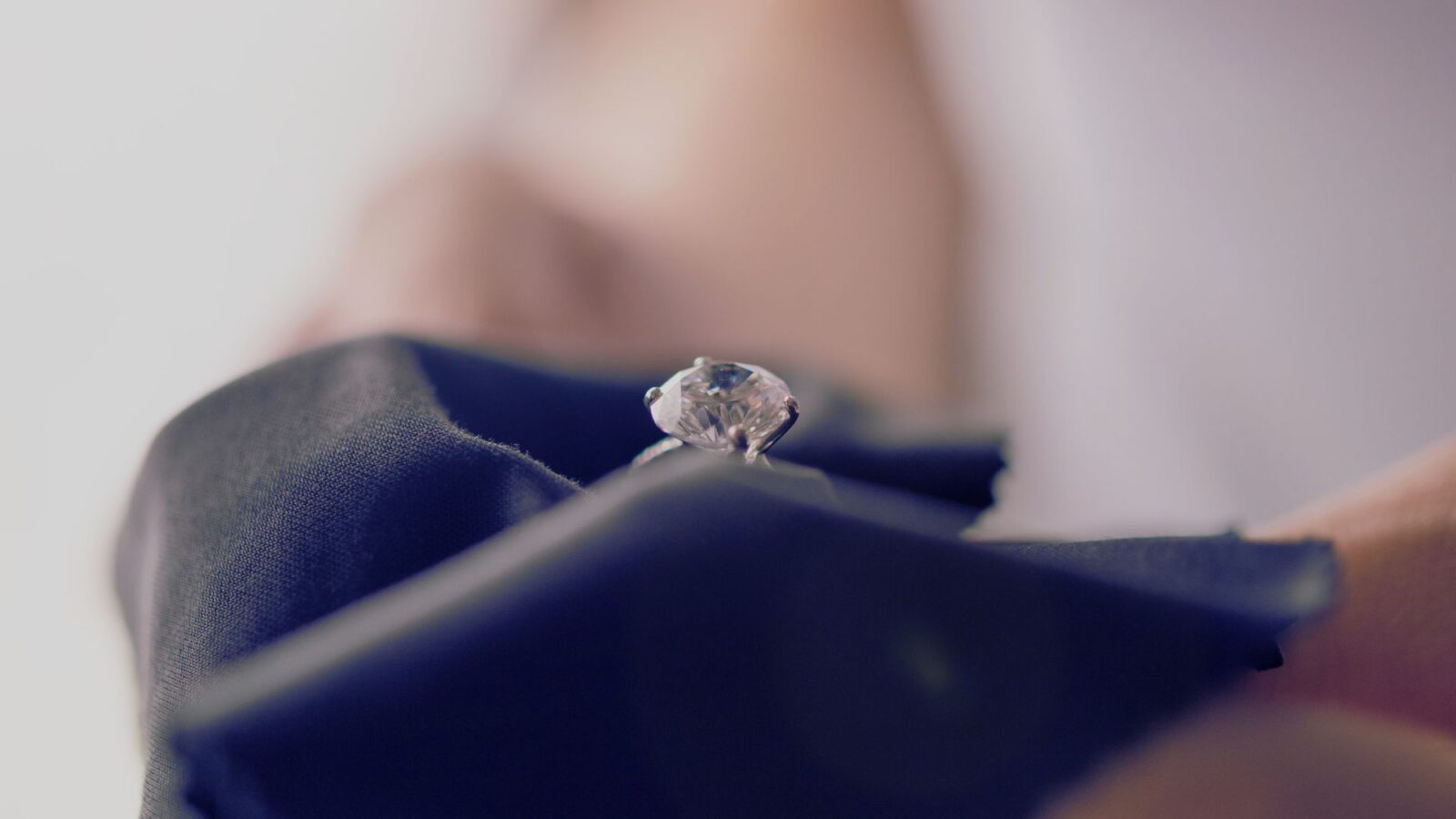
Gentle buffing with a clean, soft cloth can help remove fingerprints and restore visible brightness on suitable surfaces.
More aggressive polishing is not always necessary and may be inappropriate for plated, coated, matte, textured, or stone-set pieces.
If using a specialized polishing cloth or product, confirm that it is suitable for the specific finish.
37. Can You Use Silver Polish on Stainless Steel Jewelry?
A cleaner or polish designed for one metal should not automatically be used on another.
Silver-polishing products may contain compounds intended specifically for silver tarnish and are not universal jewelry cleaners.
Use products only when they are confirmed to be compatible with the materials and finish of your jewelry.
38. Care for Gold-Tone Stainless Steel Jewelry
Gold-tone stainless steel jewelry may include plating, coating, or another surface treatment over the steel base.
The visible finish should therefore be considered when cleaning, polishing, and wearing the piece.
Avoid assuming that a method suitable for bare steel is automatically suitable for a gold-tone surface.
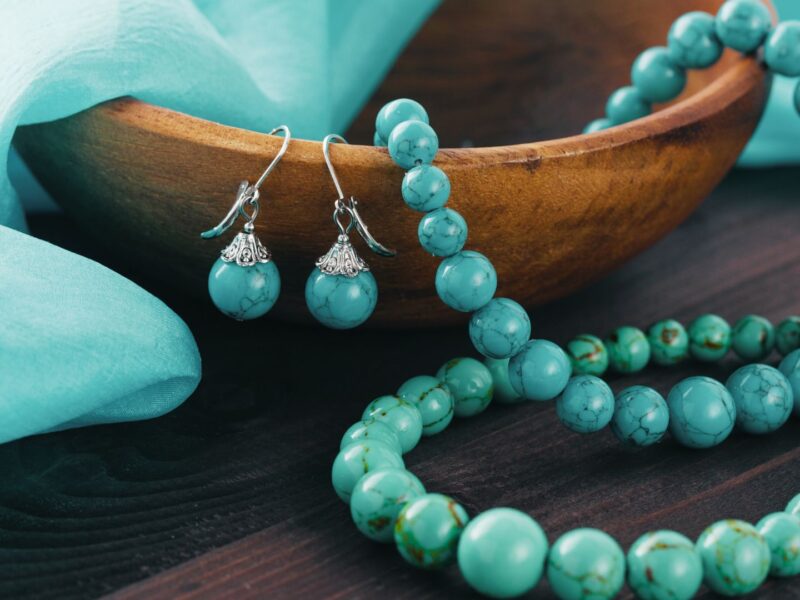
39. Care for Stainless Steel Jewelry with Natural Stones
When a steel jewelry piece contains natural stones, the stones may determine the appropriate care method.
Natural stones vary in hardness, toughness, porosity, treatment, and sensitivity to water, chemicals, heat, and light.
Follow stone-specific guidance rather than applying a general stainless steel cleaning routine to the entire piece.
Explore Natural Stone Necklaces while keeping in mind that different stones can require different care.
40. Care for Stainless Steel Jewelry with Pearls
Pearls require different handling from plain stainless steel.
If a steel jewelry piece contains pearls, care for the complete item according to its most sensitive component rather than using an aggressive metal-cleaning method.
The same principle applies when combining steel jewelry with a Pearl Necklace in your collection: different materials may need different storage and cleaning routines.
41. Check Clasps, Links and Settings
Jewelry care is not only about surface appearance.
Periodically inspect clasps, chain links, earring backs, stone settings, and other connection points for visible looseness or damage.
If a component appears damaged or a stone becomes loose, stop wearing the piece until it can be appropriately assessed.
42. Avoid Unnecessary Friction
Repeated rubbing can gradually affect jewelry surfaces and finishes.
This can occur when bracelets rub against desks, rings contact hard objects, or several necklaces continually move against one another.
You do not need to avoid normal wear, but being aware of repeated friction can help reduce unnecessary surface wear.
43. Rotate Frequently Worn Jewelry
If you own several pieces, rotating them can reduce continuous exposure and wear on one favorite item.
This also gives you an opportunity to inspect and gently clean jewelry before returning it to storage.
Rotation is particularly useful for pieces worn during work, travel, or other activities where they experience frequent contact.
44. How to Care for Steel Necklaces
A Steel Necklace frequently contacts the neck, clothing, perfume, sunscreen, and perspiration.
Apply cosmetic products before putting on your necklace where practical, wipe away visible residue after wear, and store chains separately to reduce tangling.
If the necklace contains stones, plating, or other decorative components, follow the care requirements for the complete piece.
45. How to Care for Steel Bracelets
Bracelets are exposed to desks, clothing, hand creams, water, and repeated movement throughout the day.
Remove them before household cleaning or activities that may create strong impact or chemical exposure.
After wearing, inspect the bracelet for visible residue before storing it.
46. How to Care for Steel Rings
Rings encounter more frequent contact with soap, sanitizer, creams, household cleaners, and hard surfaces than many other jewelry categories.
Removing rings before cleaning, dishwashing, or other demanding activities can help reduce unnecessary exposure.
Store them separately when not in use.
47. How to Care for Steel Earrings
Earrings can accumulate cosmetics, skin oils, and hair products during normal wear.
Keep decorative surfaces appropriately clean and store pairs together.
Questions involving piercing hygiene, irritation, or infection should be addressed using appropriate professional medical or piercing-care guidance rather than general jewelry-care advice.
48. How to Care for Steel Anklets
Anklets can experience contact with perspiration, sunscreen, footwear, sand, and outdoor environments.
Check your Anklet after wearing it and remove visible residue according to its material requirements.
Consider removing it before swimming unless the specific piece is intended for prolonged water exposure.
49. Common Stainless Steel Jewelry Care Mistakes
Avoiding unnecessary wear is often easier than trying to correct it later.
- Assuming stainless means indestructible: Corrosion resistance does not eliminate every form of wear.
- Calling all stainless steel jewelry hypoallergenic: Alloy composition and individual sensitivities can vary.
- Wearing every piece in the shower or pool: The complete construction matters, not only the base metal.
- Using harsh household chemicals: These are not universal jewelry cleaners.
- Scrubbing with abrasive products: Surfaces, plating, and coatings may be affected.
- Storing jewelry while damp: Keep pieces appropriately dry before storage.
- Keeping everything together: Friction can cause scratching and necklaces can become tangled.
- Ignoring stones and decorative components: The most sensitive material should influence the care routine.
50. A Simple Everyday Stainless Steel Jewelry Care Routine
You do not need a complicated routine to care for your jewelry. Focus on a few consistent habits:
- Put jewelry on last: Apply perfume, skincare, sunscreen, and hair products first.
- Remove it when appropriate: Take jewelry off before swimming, intensive exercise, household cleaning, or other demanding activities.
- Check it after wearing: Look for visible perspiration, cosmetics, fingerprints, or residue.
- Use gentle routine care: Start with a clean, soft cloth where appropriate.
- Store pieces separately: Reduce scratching and tangling.
- Keep storage clean and dry: Avoid unnecessary moisture exposure.
- Inspect periodically: Check clasps, links, settings, and other connection points.
Preventive habits can often reduce the need for frequent deep cleaning.
“The easiest way to care for jewelry over time is to reduce unnecessary exposure before it becomes a cleaning problem.”
— SOSE Style Notes
Keep Your Stainless Steel Jewelry Looking Its Best
Stainless steel jewelry care is less about aggressive cleaning and more about consistent everyday habits. Keeping jewelry away from unnecessary chemical exposure, wiping away residue, storing pieces separately, and considering every material in the finished design can help preserve its appearance.
Most importantly, remember that not every steel jewelry piece is constructed in exactly the same way. Plating, coatings, stones, pearls, adhesives, and decorative finishes can change the appropriate care method.
For deeper cleaning, always consider the product-specific instructions rather than assuming that soaking, brushing, polishing, or household cleaning ingredients are suitable for every piece.
Explore SOSE Steel Jewelry, Steel Necklaces, Bracelets, Earrings, Rings, and Anklets to discover different styles for your jewelry collection.